
In recent years, Human Centric Lighting (HCL) has become a key reference point in contemporary lighting design. Light is no longer viewed solely as a functional or decorative element, but as a dynamic factor capable of influencing people’s psychophysical wellbeing, the quality of spaces and the way they are experienced over time. Within this context, Digimax presents an approach focused on the development of advanced technological solutions for intelligent lighting control, transforming the principles of HCL into concrete, reliable and scalable applications.
At the core of Human Centric Lighting lies an increasing awareness of the effects of artificial light on circadian rhythms, attention levels, perceived comfort and emotional wellbeing. When properly designed, lighting systems can support these mechanisms through controlled modulation of light intensity and colour temperature, adapting environments to different times of day and specific activities. Digimax addresses these requirements by offering flexible, open and integrable systems, suitable for residential, professional and contract applications.
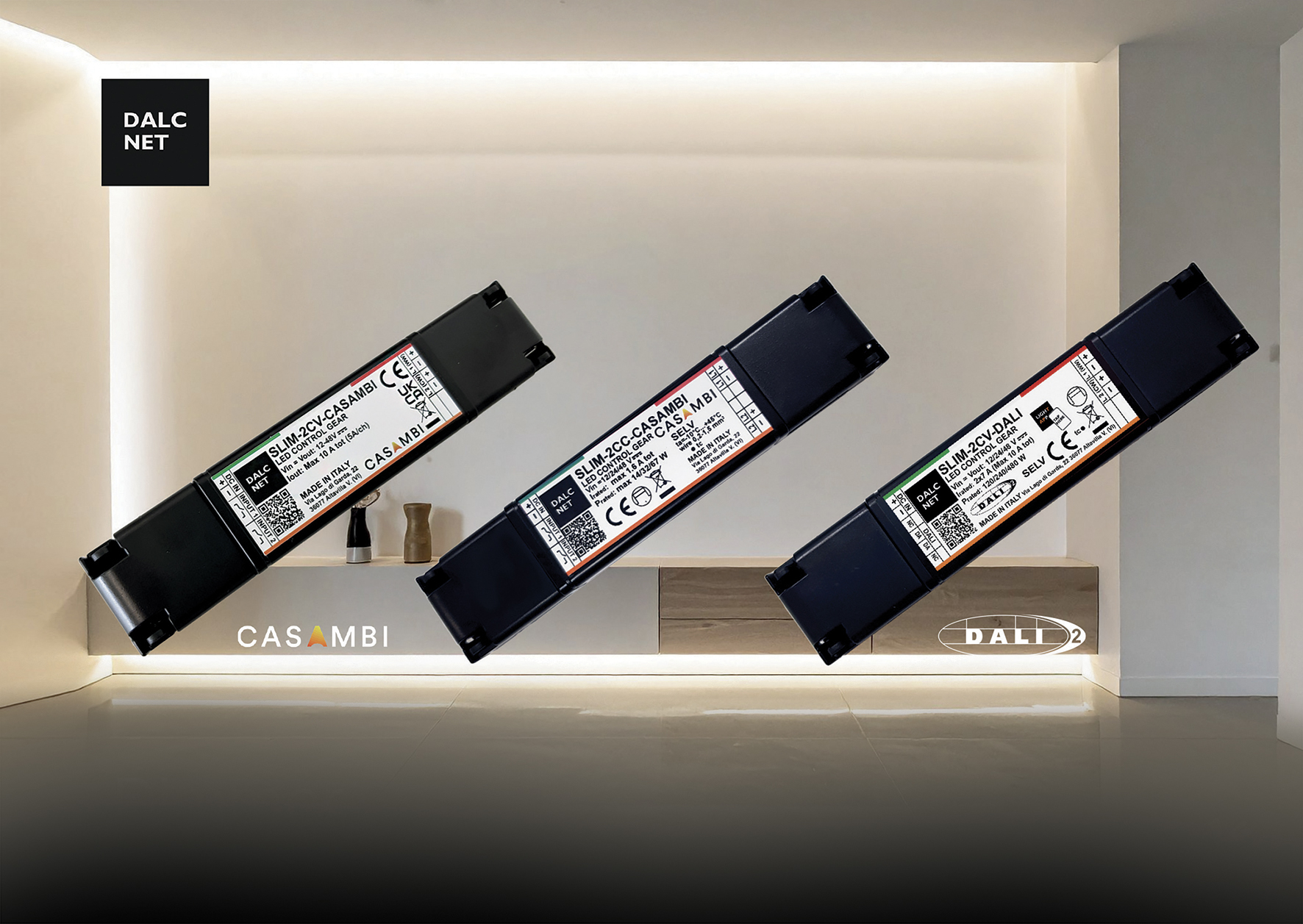
A central role within this architecture is played by Dalcnet dimmers, designed to ensure high regulation accuracy, operational stability and maximum design freedom. The SLIM-2CV-CASAMBI and SLIM-2CC-CASAMBI solutions allow intuitive wireless control of lighting systems, making it easy to manage dynamic and personalised lighting scenes. Thanks to the Casambi protocol, system configuration is fast and highly flexible, making these solutions particularly suitable for environments where user experience and ease of management are essential. For more structured applications, the SLIM-2CV-DALI dimmer provides a robust solution compliant with widely adopted control standards, ensuring consistent and reliable performance even in complex installations.
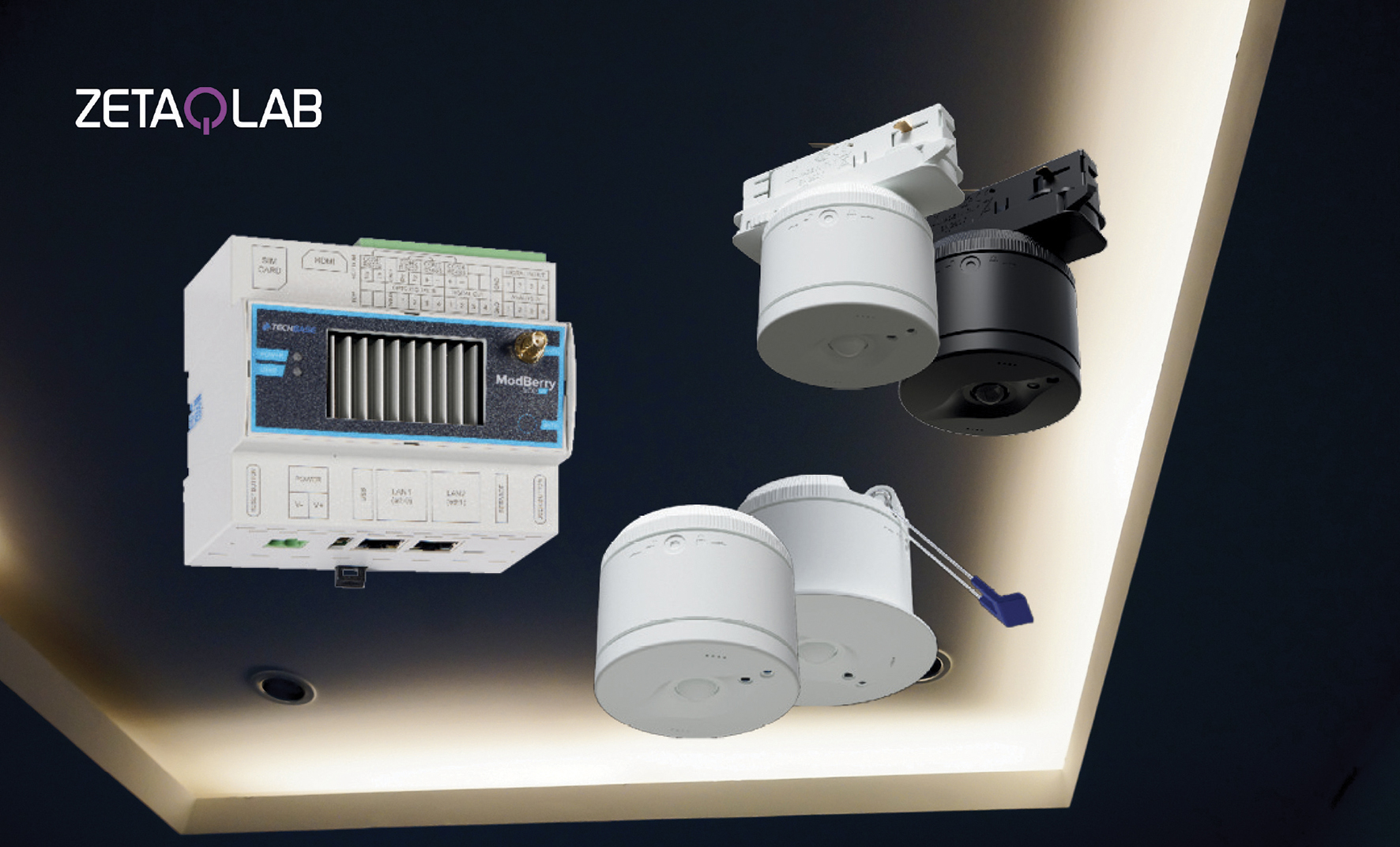
To allow lighting to respond automatically to real environmental conditions, sensor technology plays a fundamental role. ZETAQLAB sensors enable lighting control systems to become reactive and intelligent. DALI sensors such as D-SENSOR2-OFR, D-SENSOR2-OFC and D-SENSOR2-TRW-IV detect presence and ambient light levels, adjusting light output according to occupancy and daylight contribution. Wireless versions, including Z-SENSOR2-OFR and Z-SENSOR2-OFC, further expand application possibilities, proving ideal both for new installations and retrofit projects where installation flexibility is crucial.
The integration of sensor technology significantly enhances visual comfort, ensuring consistent and appropriate lighting conditions aligned with users’ real needs. At the same time, it allows for substantial energy optimisation by avoiding unnecessary consumption and supporting more sustainable building management. Within an HCL framework, light thus becomes a responsive system capable of adapting in real time to environmental changes.
Advanced system management is handled by the ZETAQLAB ZQxSERVERLTESIM, which enables centralised supervision and control of lighting installations. Through remote monitoring and logic management, the server allows lighting systems to be integrated into a broader smart building strategy. In offices, commercial spaces, public buildings and largescale facilities, this level of control translates into improved operational efficiency, reliability and longterm performance.
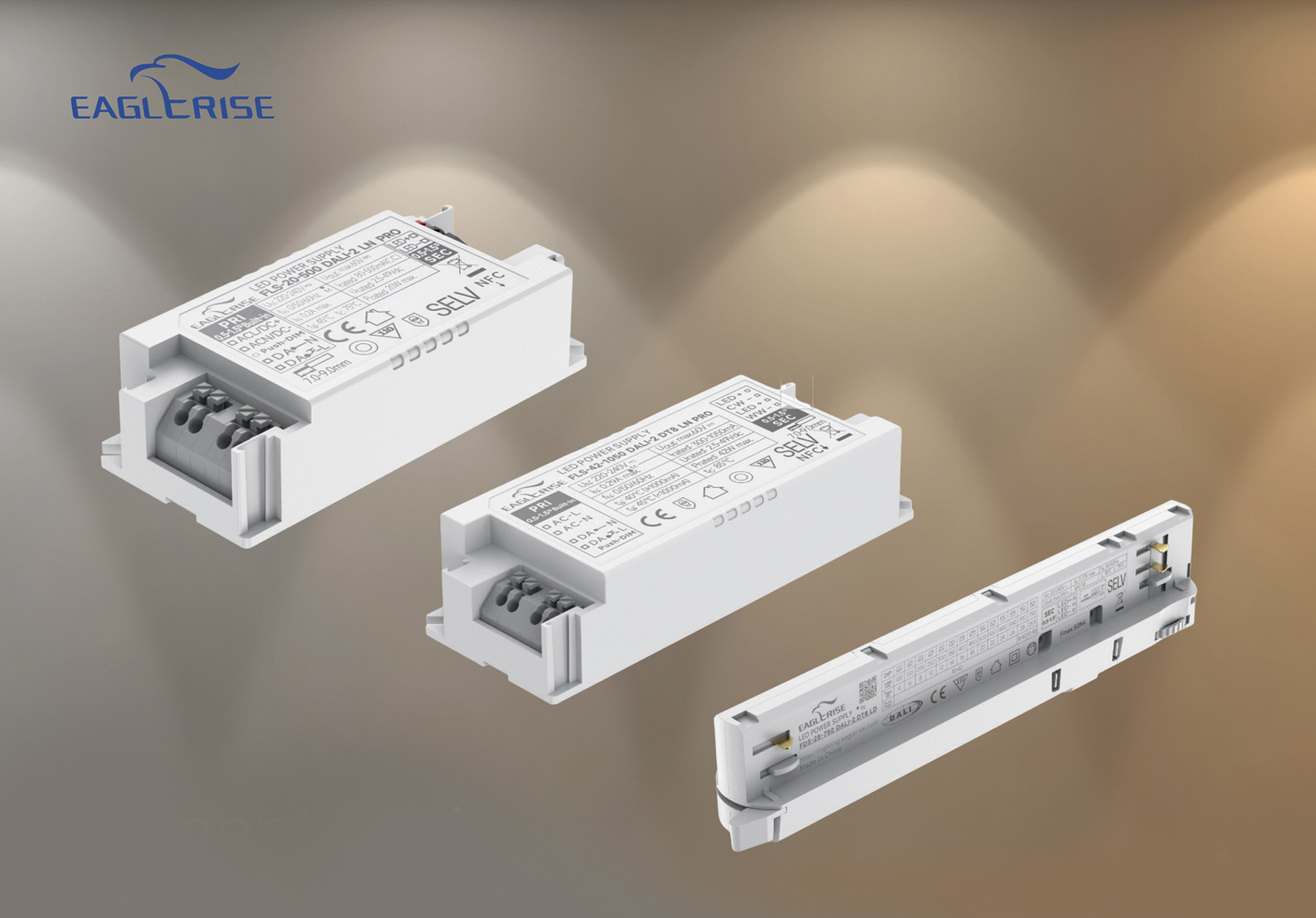
To complete the Digimax offering, the range also includes Eaglerise DALI‑2 DT8 power supplies, namely the FLS‑20‑500 LN PRO, FLS-44-1050 DALI2-DT8 LD and the FDS‑28‑750 DALI‑2 DT8 LD for track‑mounted applications. These devices are designed for Tunable White applications and play a key role in completing Digimax’s Tunable White product line.
Through this integrated portfolio of solutions, Digimax offers a tangible interpretation of Human Centric Lighting, where technology, control and automation are placed at the service of people. Light becomes an active contributor to wellbeing and spatial quality, confirming the central role of intelligent lighting systems in contemporary architectural and lighting design.