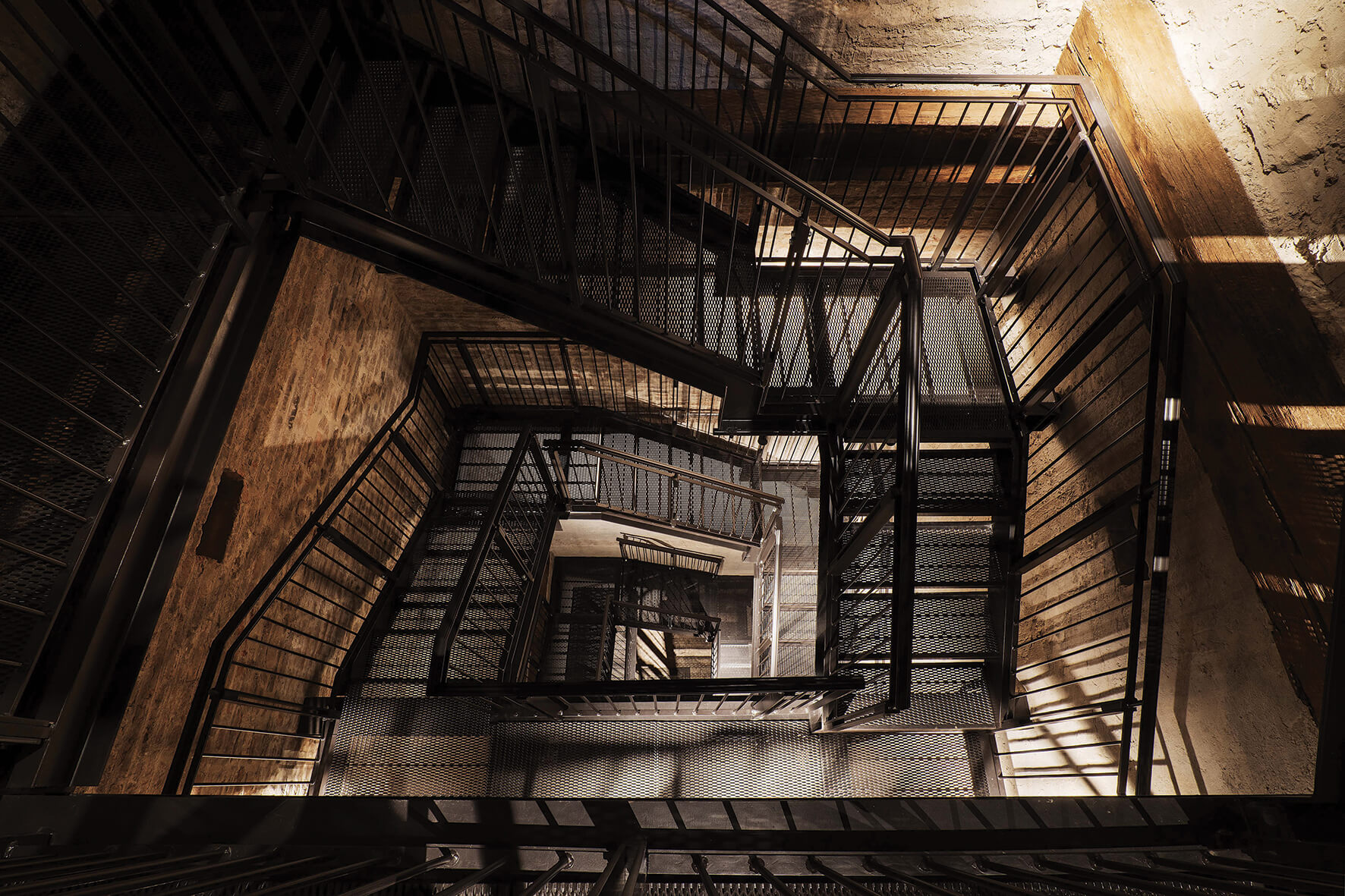
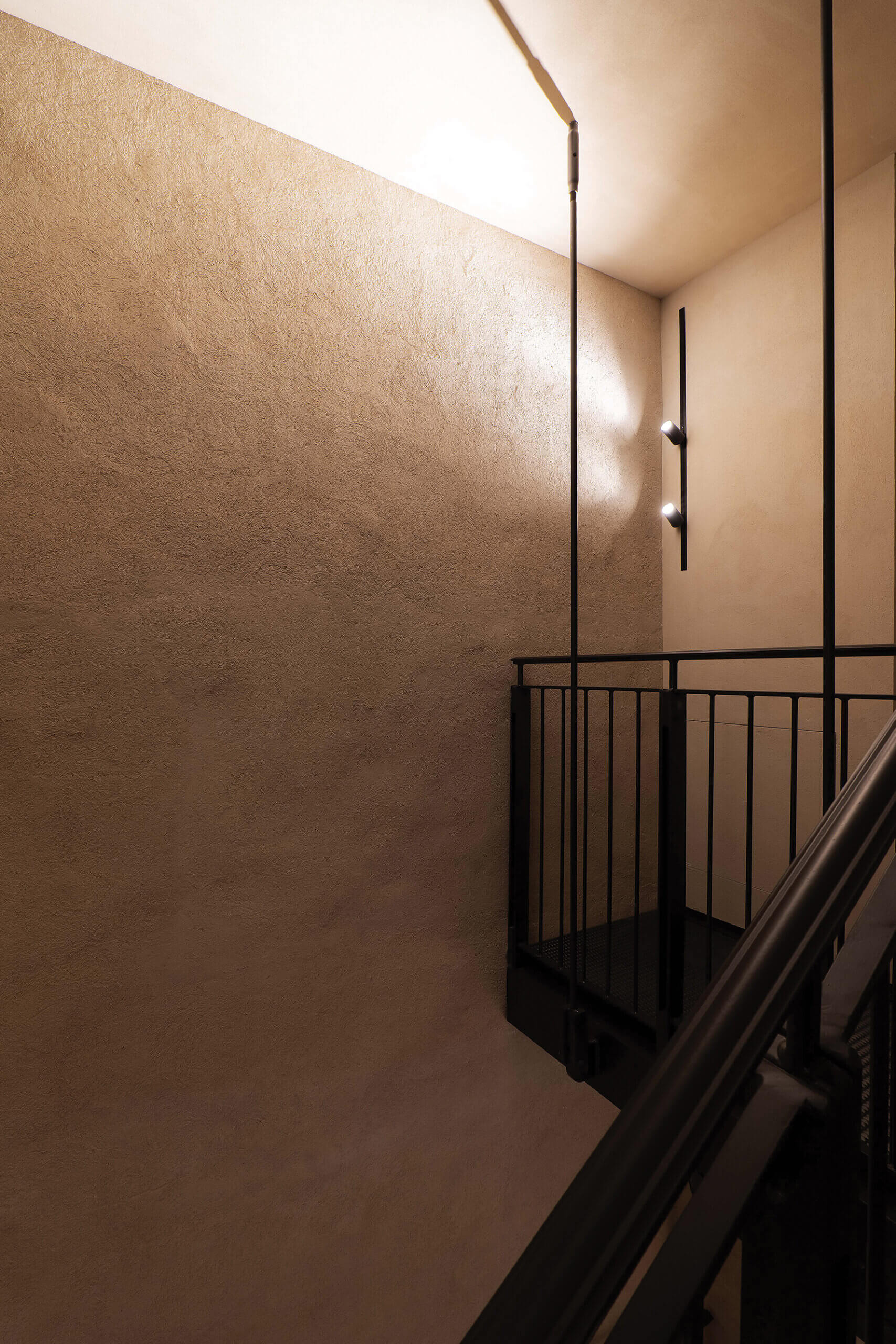
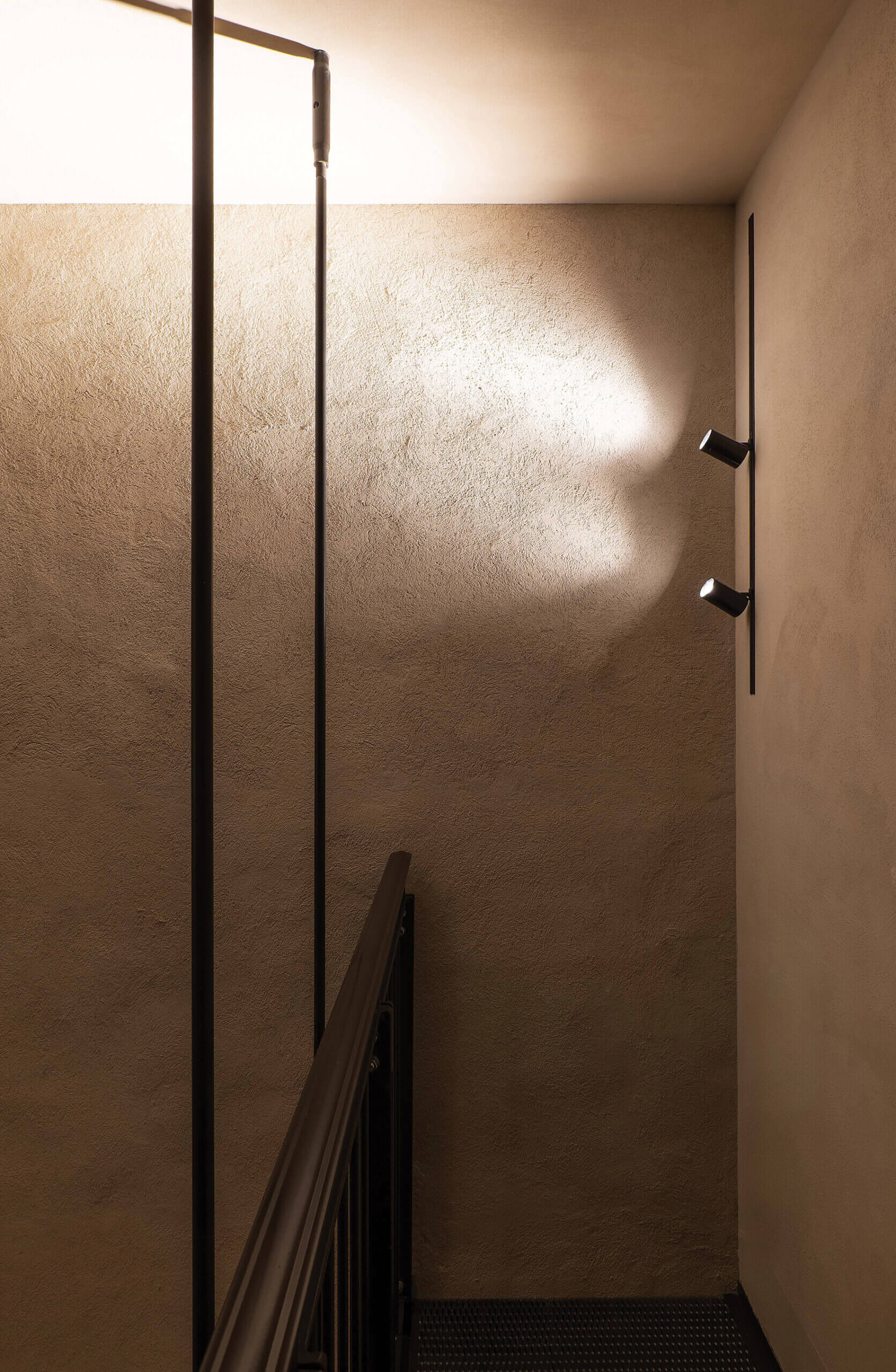
Torre degli Anziani restoration project by Architettura Tommasi returns one of Padua’s symbolic landmarks to the city. After a long period of closure and centuries spent standing guard over the city’s squares, Torre degli Anziani, historic masterpiece of the urban core, reopens to the public thanks to a significant architectural, structural, and conservation intervention carried out by Architettura Tommasi, led by architect and partner Tommaso Tommasi and Gianni Tommasi, founder. For the first time, Torre degli Anziani will be accessible to public.
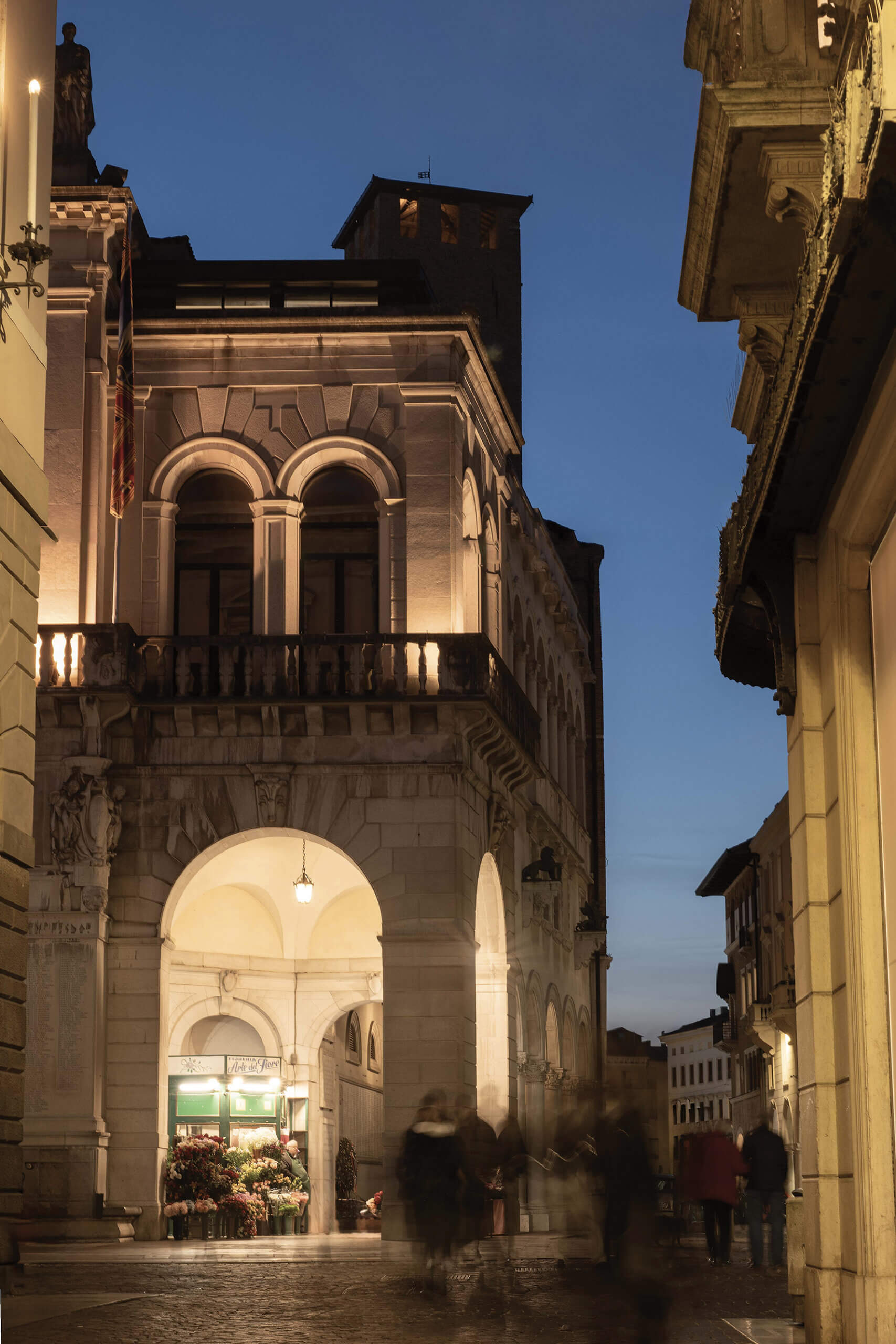
An ambitious and extremely delicate project that restores to the city a lost viewpoint: an extraordinary panorama over the monuments, squares, and landscapes that have shaped Padua’s collective imagination. The building is the ancient turrim communis, the civic tower of the city of Padua. It is a public bell tower that over the centuries has been known by various names, including Torre del Comune, Torre Bianca, and Torre della Giustizia. In the first half of the twentieth century it resumed one of its oldest names, Torre degli Anziani, used at least until the early fourteenth century, so called because the tower and its bells were under the direct authority of the Council of the Elders, the executive body of the comunancia, the free commune of Padua. The tower stands at the city’s nerve center, between Via Oberdan and Piazza della Frutta, at the junction of three medieval districts (Torricelle, Altinate, Duomo).
The intervention by Architettura Tommasi, developed from 2019 and completed through two years of complex works, focused on the new internal staircase of 190 steps, an element that, for the first time in the tower’s history, makes its summit accessible to the public. A technical and cultural achievement that reactivates a visual relationship with the entire historic center: from the majestic vault of the Palazzo della Ragione to the Astrological Clock Tower, from the Cathedral to Teatro Verdi, from the basilicas of Saint Anthony and Saint Justina to the Euganean Hills and, on the clearest days, as far as the crown of the Dolomites.
The intervention involved the interior, exterior, and roof of the tower, following principles of the utmost respect for the historic structure while resolving critical issues that had accumulated over time.
At the entrance, a new educational and exhibition space was created, previously non-existent: a multimedia room where a presentation on the history of the tower is projected and from which, through a system of real-time connected cameras, visitors with disabilities can also enjoy the panoramic view from the top. The staircase designed by Architettura Tommasi forms the heart of the transformation. The original wooden solution was replaced with a steel structure in compliance with fire-safety regulations. The insertion of the new staircase required a particularly sophisticated structural intervention, including internal reinforcement with next-generation chains and tie rods; steel ring beams to ensure the stability of the historic masonry; core drilling and localized reinforcements to integrate the staircase into the load-bearing vault; cleaning and polishing of the internal surfaces while preserving visible historical traces, including the consolidation dated January 17, 1940, still visible at the entrance. Great care was also devoted to the historic bell, which was temporarily moved using jacks to allow the staircase to pass up to the highest accessible level.