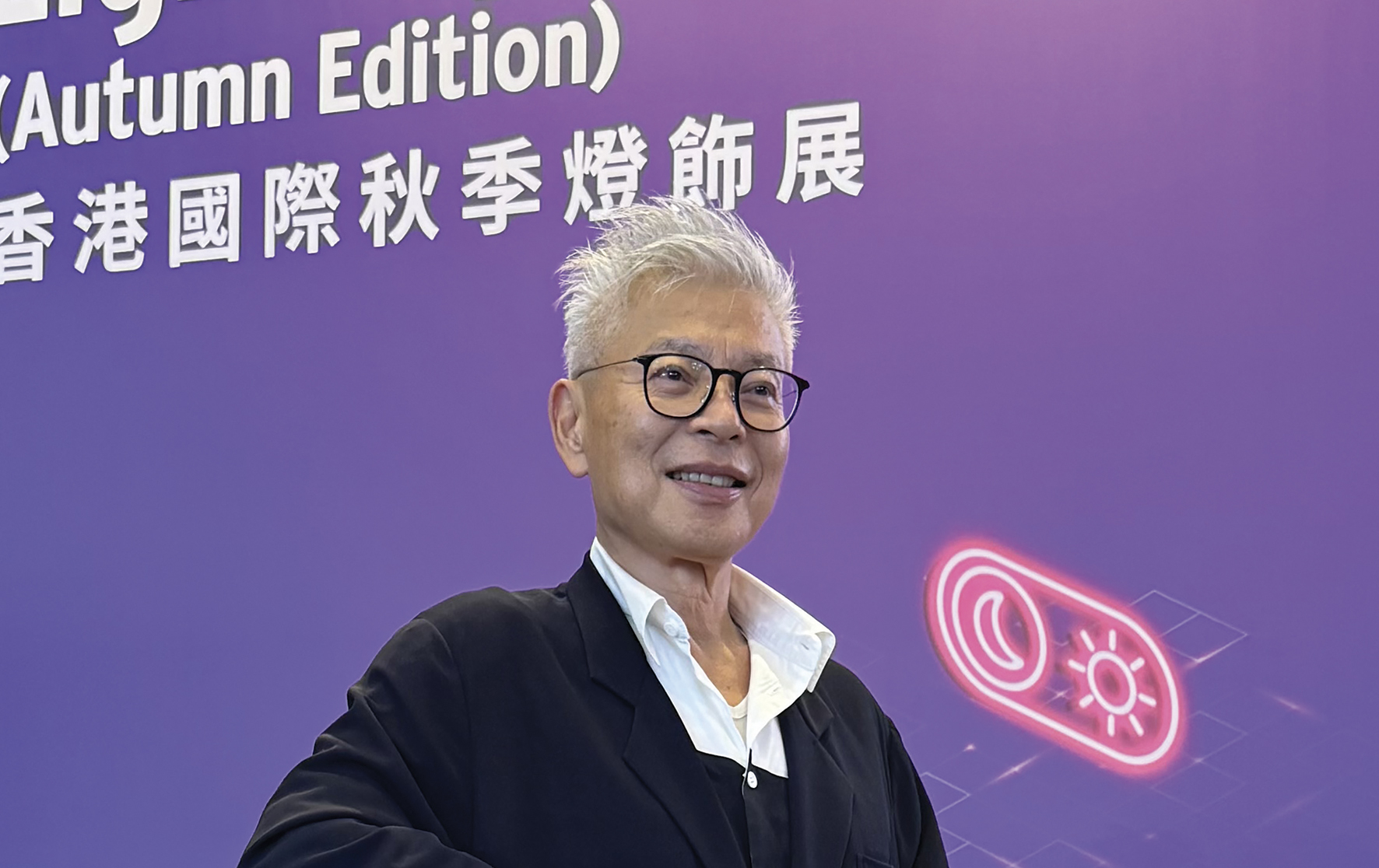
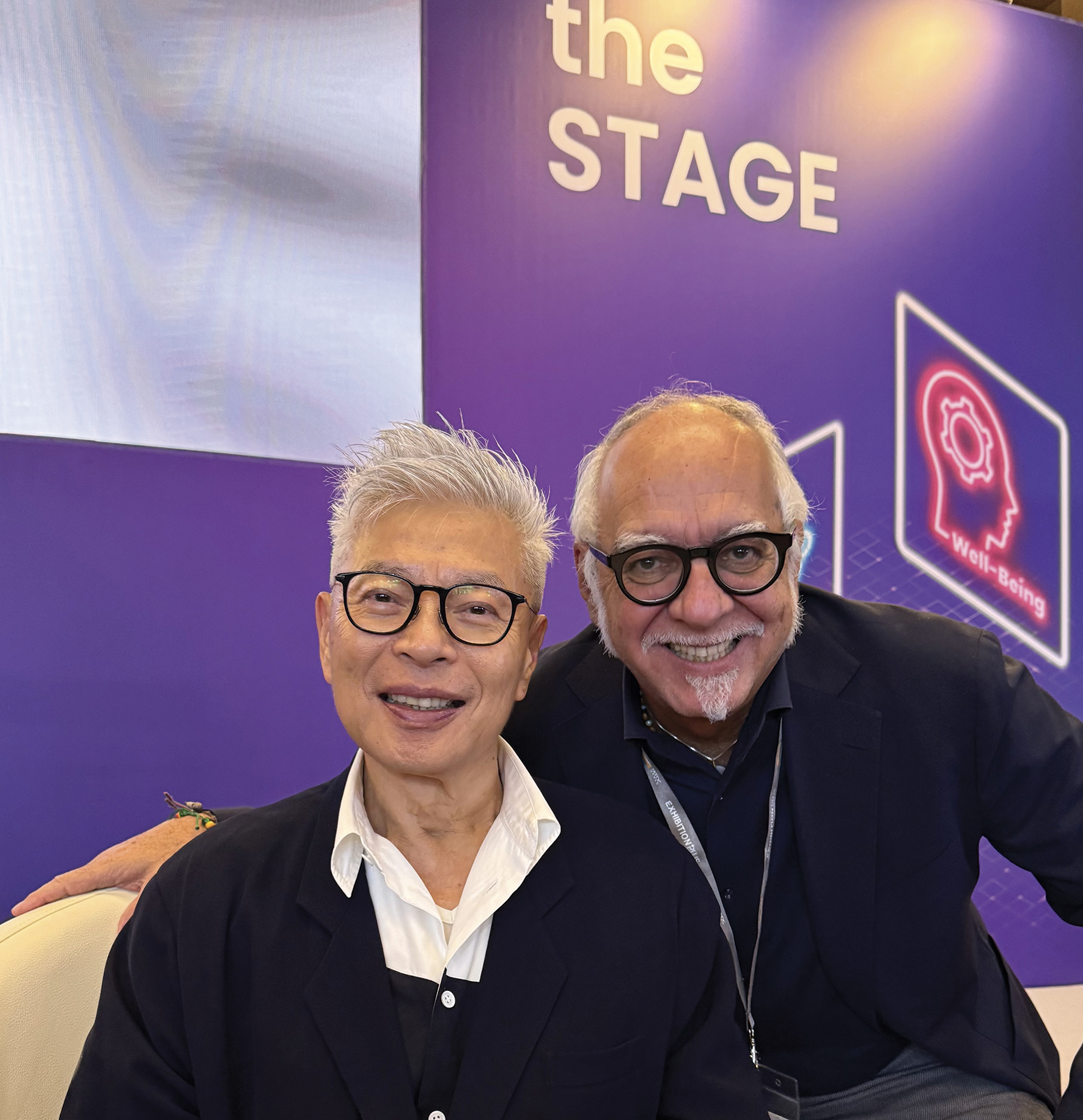
Tino Kwan, Founder and Principal Consultant TinoKwan Lighting Consultants – Hong Kong
Mr Kwan, designing lighting in one of the world’s most densely populated cities presents unique challenges: light pollution regulations, considerable size and attention to ambient light. What is your opinion on this?
A valuable lighting project must always be subject to the key principle that “lighting must never pollute our cities”. Overuse of lights and light pollution often shows a city’s lack of confidence. The project must carefully respect the spaces, standardising layers of different light sources to create refined atmospheres and influence our mood and our lives. That is why the lighting designer must understand the design purpose to enhance the work of interior designers or architects.
Hong Kong occupies an extraordinary space between Eastern and Western cultures. In your Lighting projects, how do you manage to approach the integration of the unique cultural sensibilities of Hong Kong and China, especially with regard to international clients?
Lighting does not have any labelled style, such as “that is Western” or “that is Oriental.” Our source of light is really the sun. There are no boundaries in light; it does not have a nationality. When designing the lighting of a space, the style does not come from my planning; it comes from the decorative lighting and decorative elements. Let me explain: when I light a Chinese-style restaurant, it looks Chinese. So, it is not really about my style – my style is neutral. However, when I evaluate a lighting style that is more or less consistent with the project, I find that the worst results in lighting projects are those in which the lighting is really exaggerated. Ever since I started TinoKwan Lighting Consultants, I have decided to avoid that design approach at all. My motto is “minimum lighting to achieve maximum effect”.
As the Host for this Masterclass, in front of many designers and producers in the industry, what do you think is the “stereotypical thinking” that needs to be banned ASAP?
For sure, the axiom “brighter is always better”. A deeply ingrained misconception, which too often leads to over-illumination, energy waste, and negative impacts on human health and light pollution. It is therefore significant to move away from the outdated concept of ‘the lighter it is, the better it shines’, i.e. from simply focusing on achieving maximum Lux levels. It is essential to prioritise the conception of human-centred lighting design, to better understand the relevance of human perception, visual comfort and light psychological effects.
A concept that applies to design lighting solutions in urban areas (such as Hong Kong’s public housing estates or elderly centres) that are not only bright, but also tangibly enhance the well-being and happiness of citizens?
Lighting systems must adjust light colour temperature and intensity based on the time of day and the needs of the residents: cooler, more energising light during the day to promote alertness and activity, and warmer, more relaxing light in the evening to enhance wellness and encourage sleep. It is important to mimic natural daylight patterns, which can help regulate circadian rhythms and improve mood. Last but not least, apply intelligent lighting controls, indispensable for detecting people’s presence and offering the most suitable level of ambient light during the day.