The balance between conservation, enhancement and smart lighting
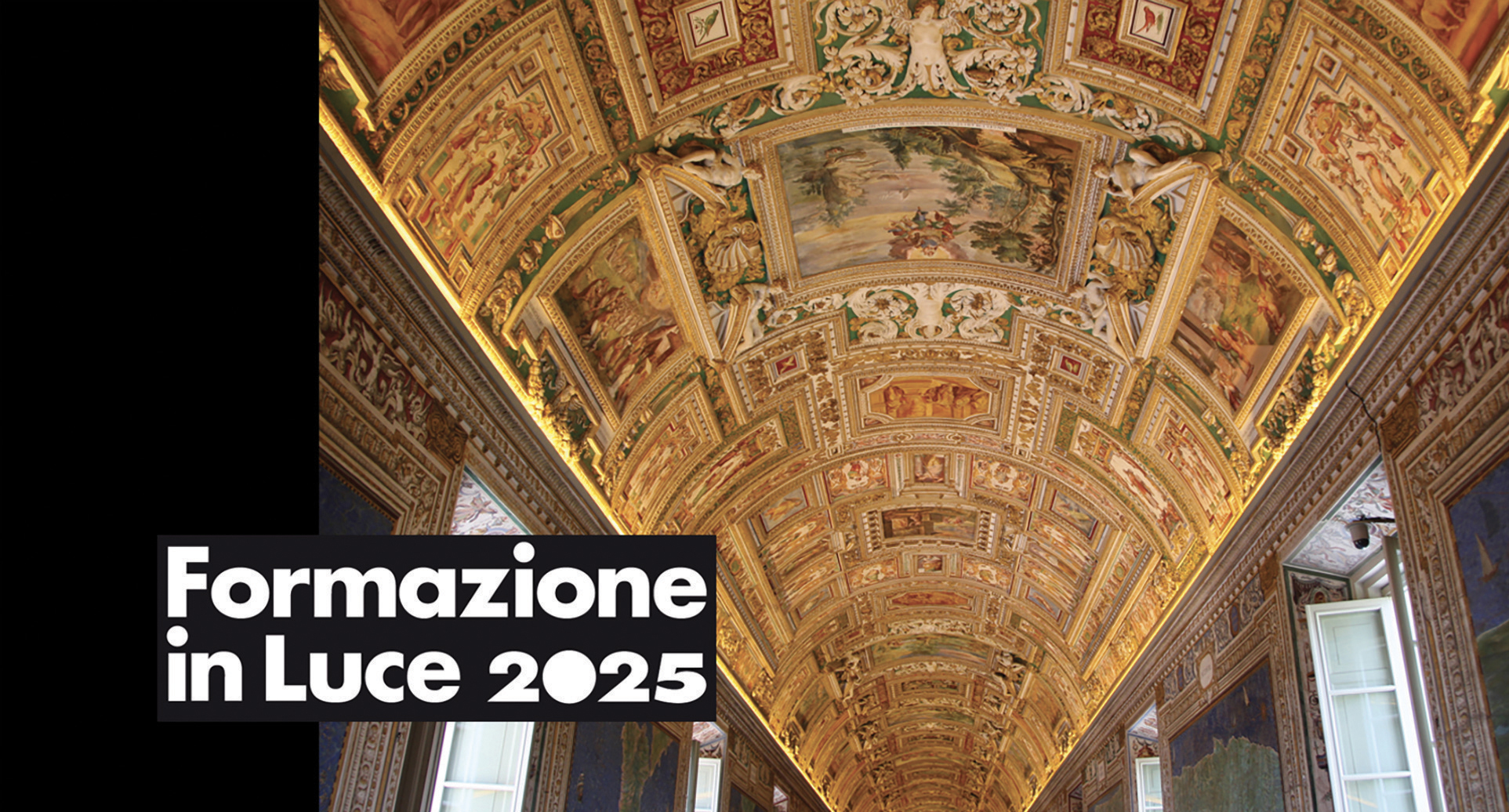
Last November, ASSIL, in collaboration with AIDI, promoted a conference on lighting works of art, museum installations and churches, as part of Training in Light 2025. The lighting of cultural heritage, works of art and museum installations is indeed one of the most complex and challenging fields of lighting technology. It is not just a matter of “illuminating”, but of finding a delicate strategic balance between the primary need for heritage conservation and the need for proper aesthetic and narrative enhancement for the public.
Proper design in museum environments starts with adherence to strict conservation standards and constraints. The risk of degrading exposed materials due to unsuitable light sources is regrettably real.
Professionals in the field must know and apply:
Going beyond mere conformity, light must serve the narrative. The design methodology requires an in-depth knowledge of the building (historical, artistic, morphological) in relation to its context, including environmental or urban. Light, indeed, becomes an essential tool for storytelling, alongside digital technologies, to tell the story of the work, from its conception to its current use. This approach manifests itself in complex interventions, where light is a dynamic element to be designed in relation to different scenarios.
Examples such as the Sistine Chapel and the Basilica of St. Francis of Assisi – which represent the pictorial art of the fifteenth-sixteenth and thirteenth-fourteenth centuries – demonstrate how light must be designed for the needs related to functions other than the strictly museum one.
The ability to obtain “different scenarios” and to precisely control the luminous fluxes is the ideal point of contact between the needs of cultural heritage and the potential of Smart Lighting.
The adoption of smart lighting systems offers decisive benefits:
The integration of these advanced technologies is already underway in the most recent projects, such as the Church of San Luigi dei Francesi and the Church of the Gesù in Rome, built in view of the Jubilee of 2025, confirming that the future of lighting for cultural heritage is connected, dynamic and informed.
For professionals in the sector, it is essential to train on these standards and the most advanced methodologies to face the challenges of a field that requires maximum competence and responsibility.