Design History and Method – Part 2
by Federico Galluzzi
Speaking of furnishing accessories, furniture and lamps in our magazines, we have always given space and visibility to the usual suspects, i.e. the manufacturing companies and those who design them.
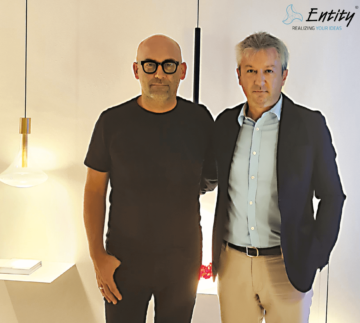
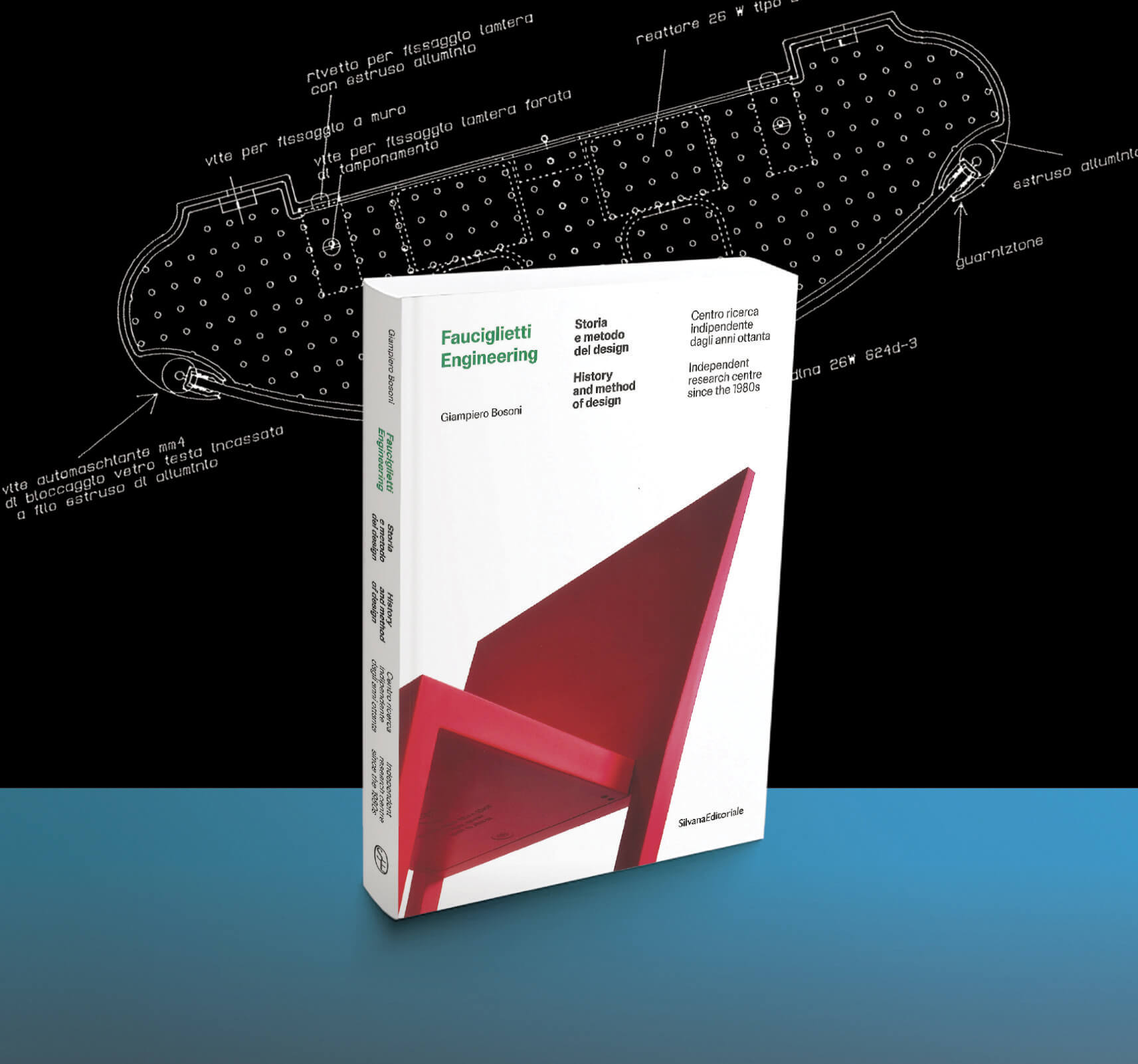
This Special Issue was born from a meeting with Graziella and Renzo Fauciglietti, owners of Fauciglietti Engineering in Cantù, and from reading the book Fauciglietti Engineering – Storia e metodo del design, written by Giampiero Bosoni and published by Silvana Editoriale, which I treasure on my desk. This book explores and analyses in detail, starting in 1989, nearly 40 years of engineering projects. Renzo, the president, explained to me how the success of any product or company, especially on international markets, depends on quality design, founded on careful planning and rigorous development. He, therefore, emphasized the fundamental role that product engineering plays in the quality of his project.
This Engineering Special Issue aims to provide a brief summary of the main published projects, to reveal this fundamental aspect of design. It is an aspect that is often overlooked when describing how a product – be it a piece of furniture, a furnishing accessory, or a lamp – is conceived, designed, and finally conceived and produced.
Fauciglietti Engineering has operated in different design sectors, always aiming at being one step ahead, and having in its DNA an overall vision of the different issues that a new product must face before successfully entering the market. Thanks to a holistic vision in design products and development, he has been able to collaborate with many established Italian and international design studios to discuss ideas, concepts, design methodologies and approaches to problems, as well as the results analysis. That exchange has made it possible to broaden horizons and enrich skills. The expectation is that, in the future, the Fauciglietti Engineering experience and lead can be an inspirational source for the new generations, academics, entrepreneurs and the wider public.
Design, engineering, development: Graziella and Renzo Fauciglietti
Manufacturer: Status, 1999
After several experiences designing lighting fixtures, studio Fauciglietti became committed to Status for a collection of lamps defined by materials that assured ease of production and assembly.
Amongst your numerous collaborations, many were with lighting companies. Besides the projects for Artemide, Flos and Arteluce that did not make it into production, there are also those for Nemo and Status besides the one for Pentax by Giambattista Bellagamba, which marks a special time in your career. How did you approach Status?
Status was a new brand that Elvise Garavaglia founded with the son, Pierfabio. They involved some well-known designers whom we knew, and they also contacted us.
Was it your expertise that prompted the Garavaglias to get you on board?
I think so, but more than our previous work, I think it was our design method that convinced them. By getting us involved, they knew we would manage the project in all its stages, from the concept to a product ready for automated production. Besides the Babele lamp, we also optimised another project for them, the Giulia lamp, which contributed to their commercial success.
Based on what brief did you develop the Babele lamp?
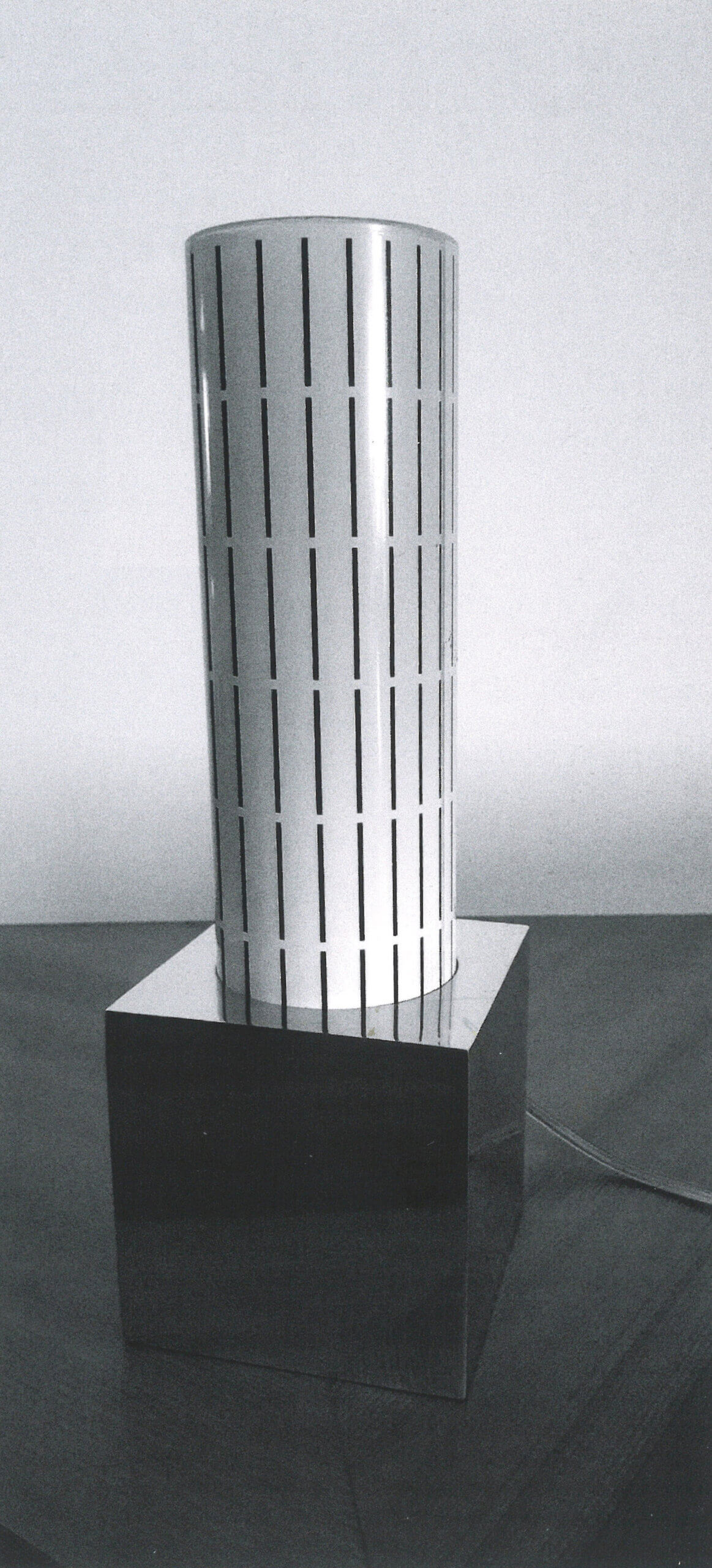
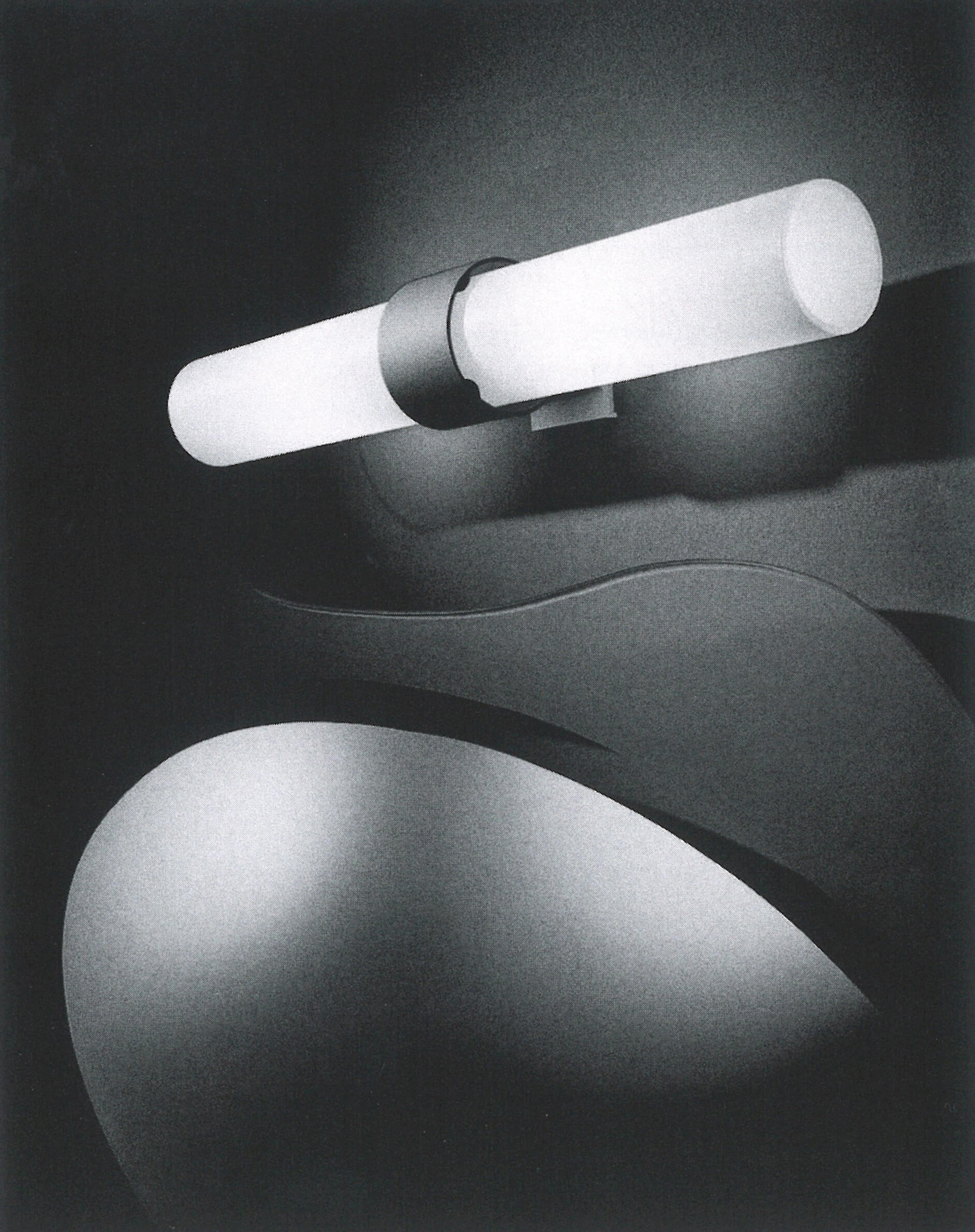
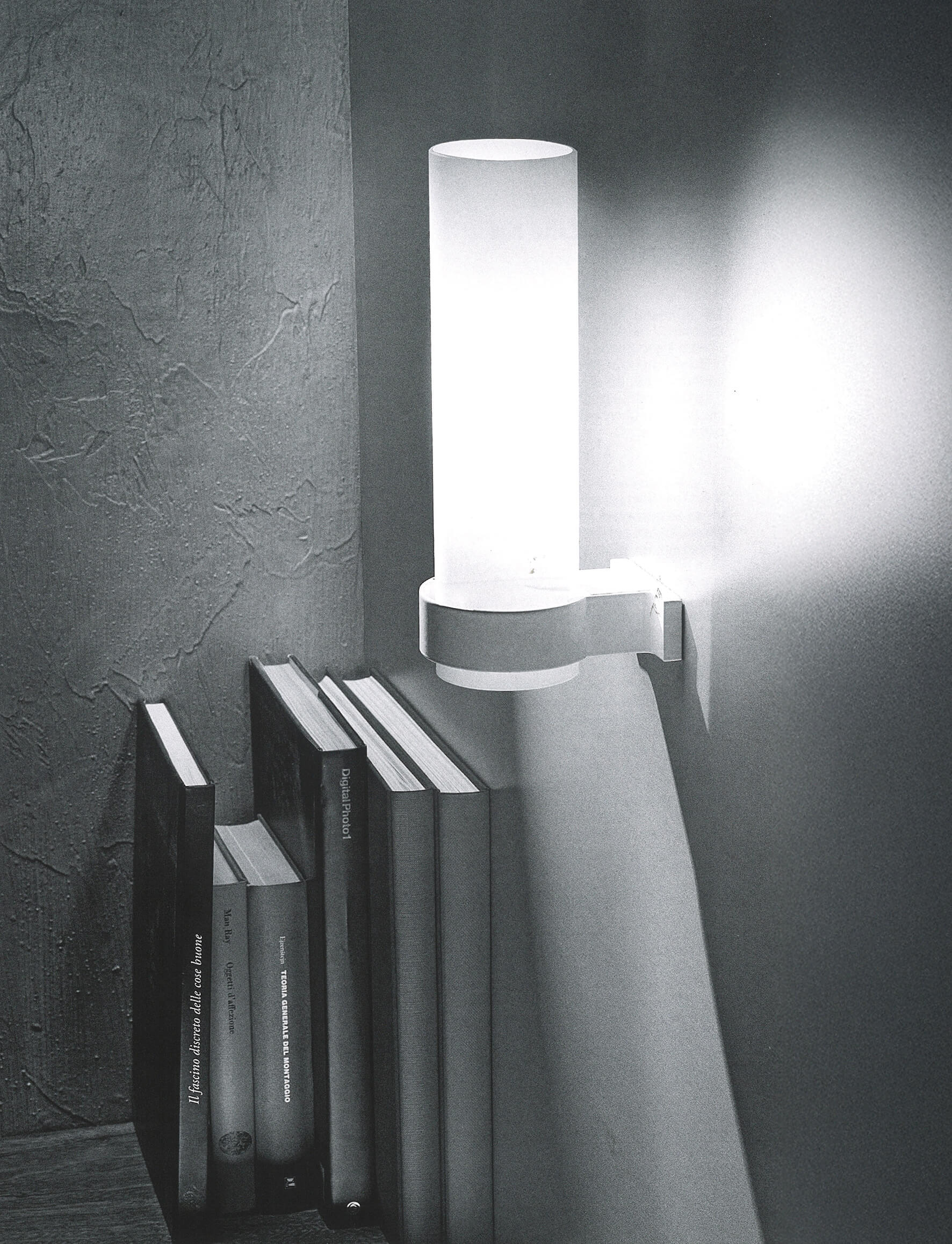
We had to design ceiling and wall lamps with halogen lights. lt should be noted that back then those kinds of bulbs were widely used due to their brightness, but they also emitted a lot of heat. We resolved this issue with a satin-brushed borosilicate diffuser, a material commercially known as Pyrex, which is more heat resistant than glass.
Looking at the photos one has the impression it is a minimalist object consisting of only two elements: the metal component and the borosilicate diffuser. From a technical point of view, how did you approach combining these two materials?
True, the object consists of only two parts: the glass diffuser and a universal attachment, attained by designing an aluminium extrusion. A rubber gasket ensured the two parts fit together easily. The wall mounting was also very simple.
How was the lamp perceived by the marketplace?
The lamp was IMQ certified and once the work was completed, it was launched on the market in 2000 during the Salone del Mobile. Time has given us the greatest satisfaction as the product has been in stock for aver twenty years.