QLT explains how to control light sources in civil systems
Premise: The purpose of this content is not intended to be technically exhaustive, but to illustrate what the market can offer today and how the (apparently) most common problem of controlling one or more light sources in civil systems can be solved.
For several years now, the need has arisen to control and regulate light sources, starting with the first dimmers for halogen lamps, followed by using electronic transformers and finally LEDs. The first LED regulators were created using dedicated systems, i.e. each manufacturer decided how to adjust its own power supply, as there was no compatibility between products or systems.
Some systems still use the TRIAC system used to regulate halogen bulbs. This system is very questionable, especially in relation to current electromagnetic compatibility standards.
Later, the 0_10 or 1_10 system to adjust fluorescent tubes was also used to adjust LEDs. That, although imprecise and obsolete, continues to be used by many manufacturers. But, being an analogue system, it has several defects, such as imprecision and difficulties in integrating with the most modern systems. Installers still find it convenient for its ease, and no special knowledge is required.
Already in use for entertainment and scenography, the DMX protocol was the first digital system to enter civil lighting, especially by integrating into stage lighting with colour control in theatres, discos and recreational venues. On the other hand, in domestic systems, it had no luck and thus a short life, due to specific components’ deficiency and system limitations, as it was indeed designed for entertainment use.
Finally, in the 90s, a consortium of sector companies started a long and tortuous path to create a specific light regulation standard, not “inherited” from other sectors or technologies. This is how the DALI system was born. A modern digital system for controlling light, which started as a System Open to all, to standardise the various components on the market. From 2002 to 2014, the first European EN62386 standard to regulate the market was published, and, since then, there has been a continuous evolution of the protocol, with amendments, additions to DALI2, D4i and so on.
In recent years, DALI has been the most widely used protocol to control lighting systems. A system that has had to be updated, year after year, to interface with new technologies that entered the market, in particular with home automation, radio and WIFI systems.
The home automation systems, developed by large companies operating in the civil components market, have never supported the idea of a standard. Instead, they have always tried to diversify their components on the market to prevent other brands’ components from arriving inside a system. Therefore, the customer was forced to buy all the electrical system material from the same company. Switches, regulators, and control systems have never been made following the DALI protocol, but each company has thus developed its own controls. This behaviour has definitively “blocked” the market and caused limits on the home automation spread in Italy, as the costs have obviously risen because of the civil material manufacturers’ monopoly. Abroad, instead, “open” home automation systems established themselves by using protocols such as KNX, where each manufacturer could offer systems compatible with others on the market.
In Italy and abroad, new components have been created to enter the world of light, i.e. interfaces that convert different systems and allow for controlling a DALI lighting system when the house has installed a proprietary home automation system (KNX/DALI, Bticino/DALI, Vimar/DALI interfaces, etc.). However, these are expensive interfaces, often raising compatibility issues with standard components, and must be installed by specialists instead of a typical electrician, which is why they are not very common.
The market, which has always evolved much faster than regulations, has an increasingly urgent need to integrate new technologies in the home, such as voice commands. Nowadays, indeed, the younger generations find voice-controlled devices indispensable to know what time it is, listen to music, use the alarm clock and even control the light. These devices work through the home WIFI system, which has reached a diffusion of 90% in the last decade. Unfortunately, European manufacturers were not able to equip themselves and to promptly respond to this demand, and so the market ended up in the hands of Asian manufacturers.
Thus, a giant was born in Asia that monopolised the market by finding alliances with all the Chinese multinationals and, through very low-cost devices, allowed the integration of “wireless” technology into all domestic components such as cameras, thermostats, lights and every other device.
But paying so little for certain devices actually hides a series of dangers; to sell Bluetooth and WIFI devices to be incorporated into the appliances at negligible costs, an ingenious control system positioned outside the home, i.e. a remote server, has been devised. The calculations and recognition commands do not take place on-site but externally. All operating devices must connect to a regional server, located in Europe, in Germany, without which no device in the house works, the lights do not turn on, the shutters do not rise, and the alarm clock does not work. This server obviously records the location and any other activity of the house, including conversations and occupants’ habits and, through filters, collects data for commercial and business uses.
Is this the price to pay for having technology at a low price in our homes? Absolutely not, because it is irrational that a bank or an airport can make use of a control system that depends on an internet connection and a remote Asian server.
Unfortunately, however, the new generations do not seem to care about these aspects. They buy everything on the internet, trying to save money while sacrificing privacy and, therefore, security. Just think of social networks and the use they make of the data they manage.
Operators who work in the professional field have obviously developed wireless control systems with higher costs but with computing capacity integrated into the device, to make the whole system safe, i.e. the house or the system “resistant” in the event of a failure to connect to the network, protected for privacy and obviously safe from any intrusions from outside the network. A first private company developed a radio device control system, and through modules available on the market, allowed manufacturers to integrate this technology into their products. Being a monopoly system, it did not find the success and diffusion it deserved. A diffusion that took place later with the CSA consortium, where common data transmission systems can be used by everyone to command and control devices. Open-Source systems available to all manufacturers are certainly the right way to develop new technologies. They ensure that the system does not become obsolete in a short time and allow even small manufacturers to enter a large and widespread market.
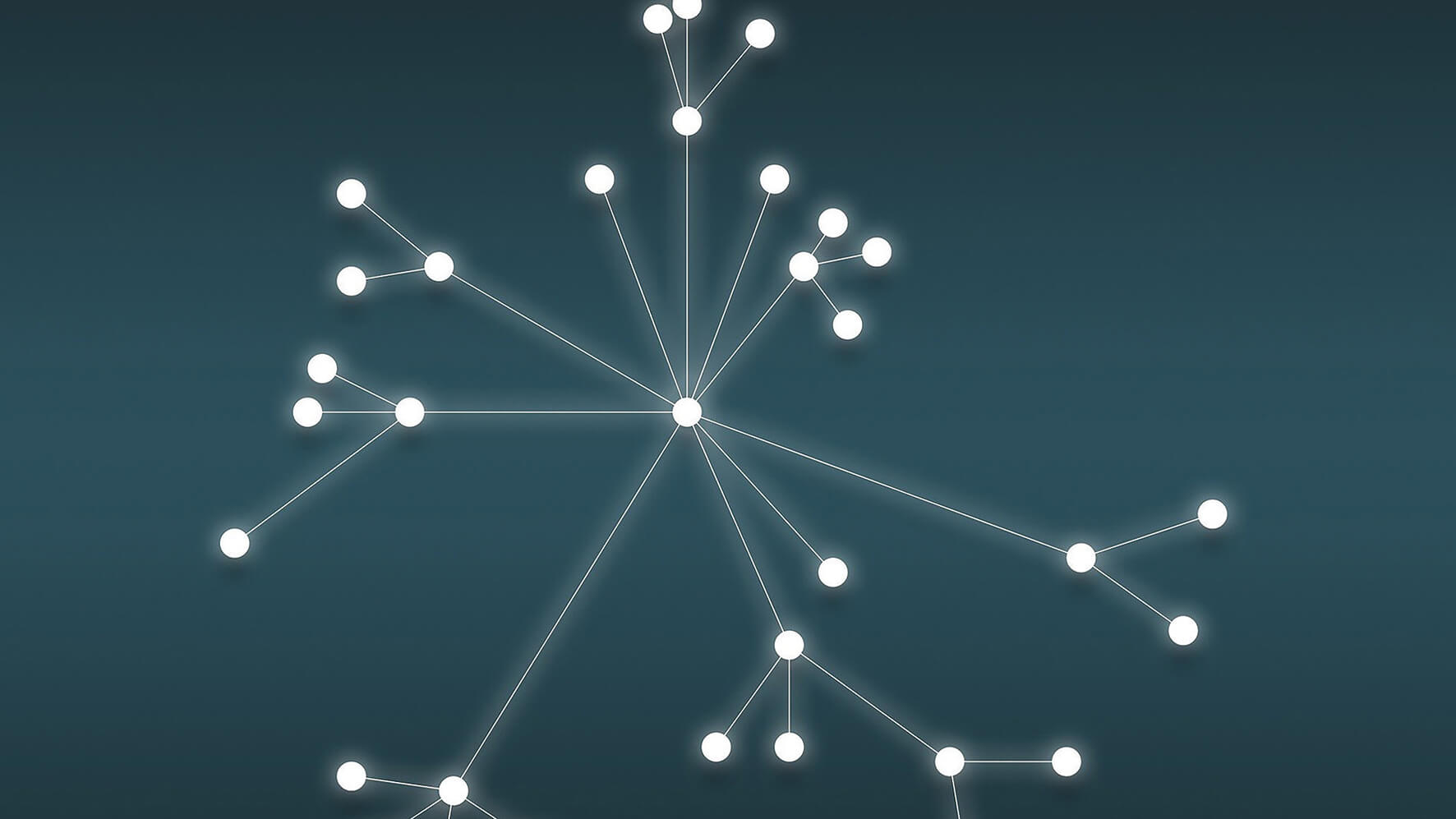
The most common systems for professional use are among the many ZigBee, Matter, and Bluetooth.
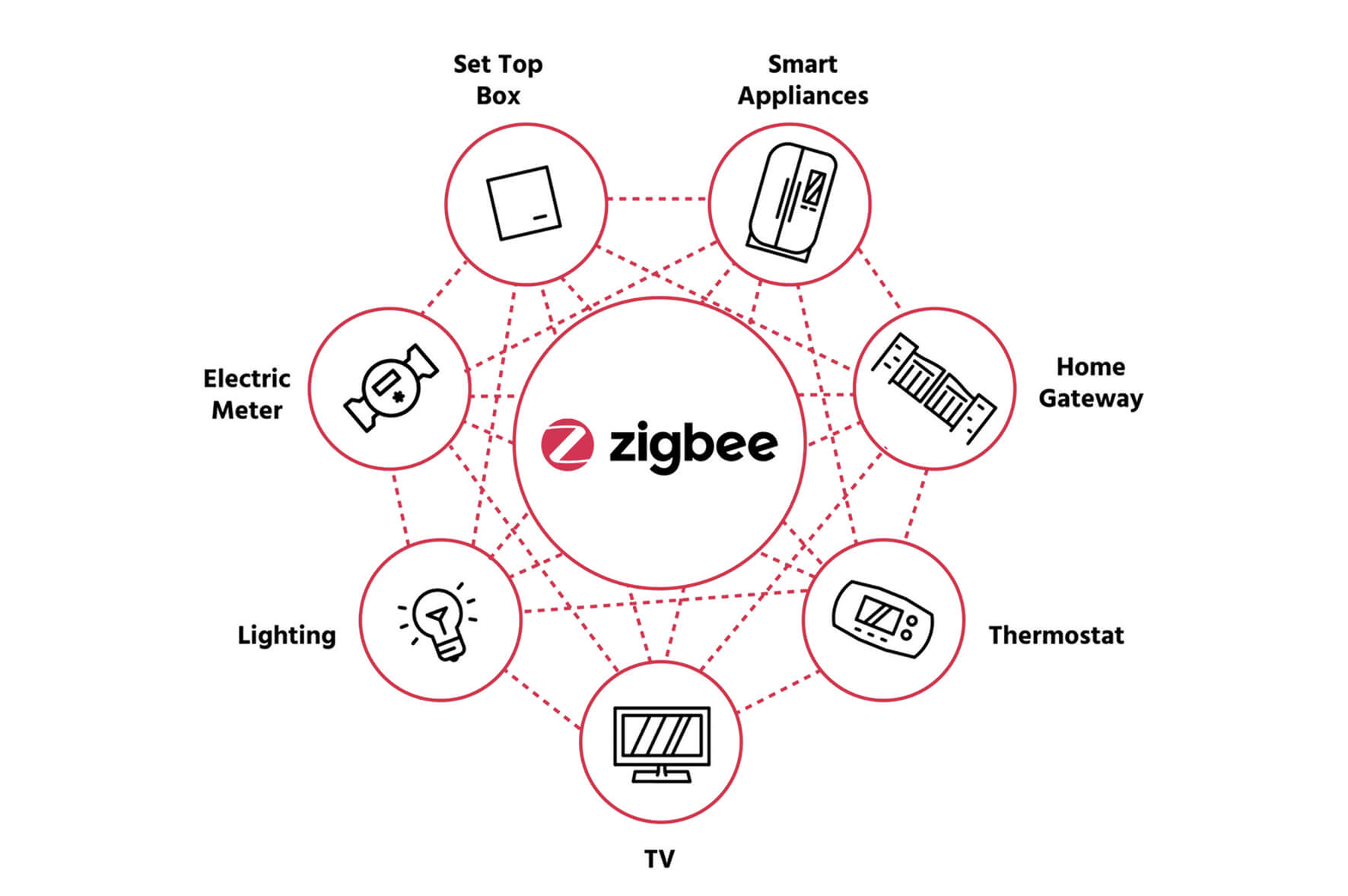
Let’s think of mobile phones using the Bluetooth system. One can use earphones or headphones that are not only designed for a specific model but are adaptable to all compatible models. Similarly, light control using Zigbee protocols can be achieved with devices from different manufacturers using the same system.
But how can the two worlds communicate? That is, how can the stable and robust wired system, built to last over the years, communicate with the wireless radio world of new devices?
DALI is the most widely used professional system for wired light control. The system is stable and robust, and allows for the interchangeability of devices between different manufacturers.
On the other hand, Zigbee and Bluetooth are professional communication protocols that do not use external servers, respecting privacy. They allow the creation of professional wireless control systems in domestic environments, but also with more complex criticalities such as hotels, banks, stations and airports.
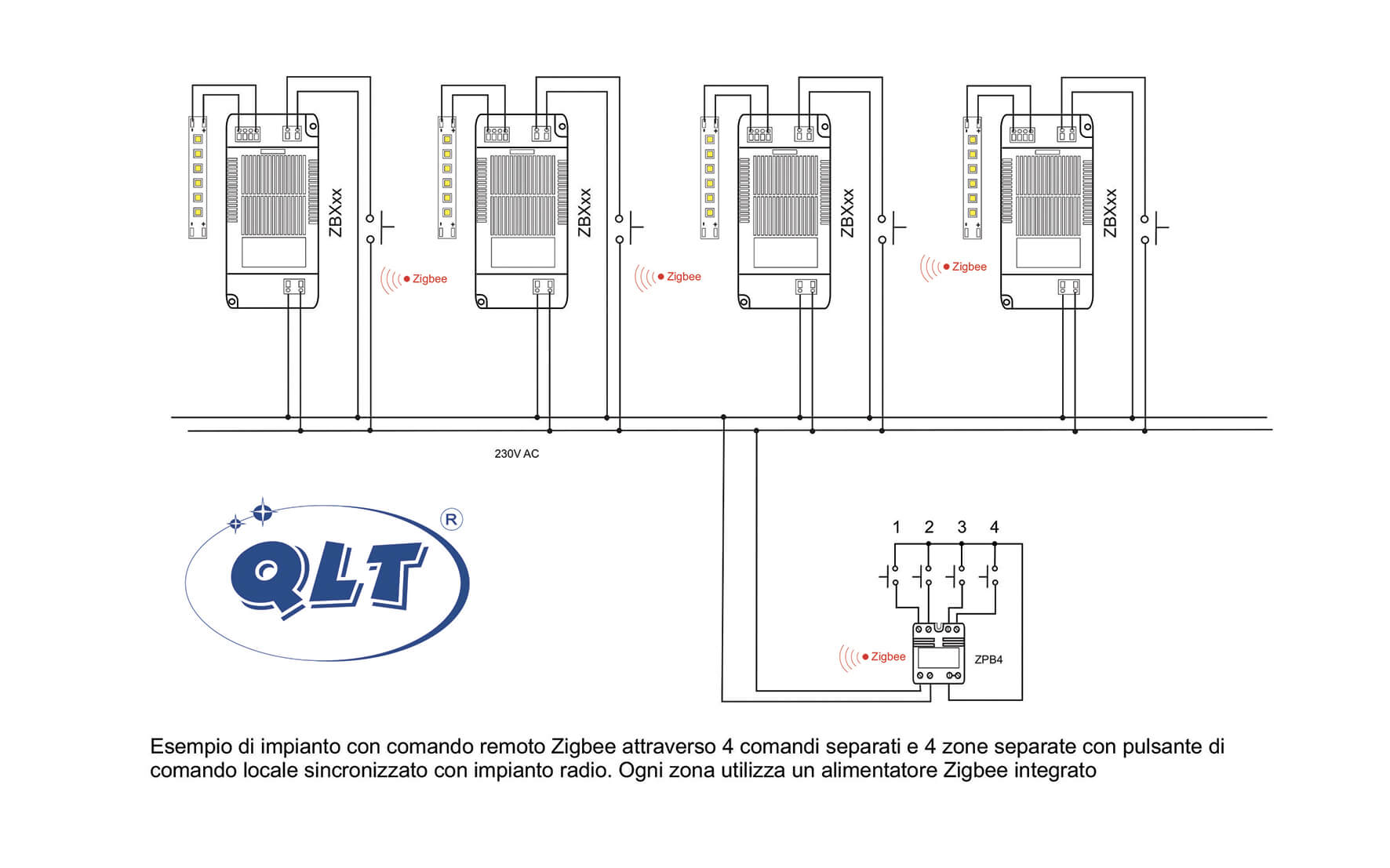
Interfaces are now the points of contact, and for some time, QLT has been offering on the market devices that allow these very different worlds to communicate with each other, not limiting the systems to just wiring, but even where the cable does not arrive, the signal continues via radio, thus making it possible to develop complex systems.
In addition to being a manufacturer of DALI components with a certification laboratory, QLT offers Zigbee interface components to create mixed radio and wired systems in the professional sectors.
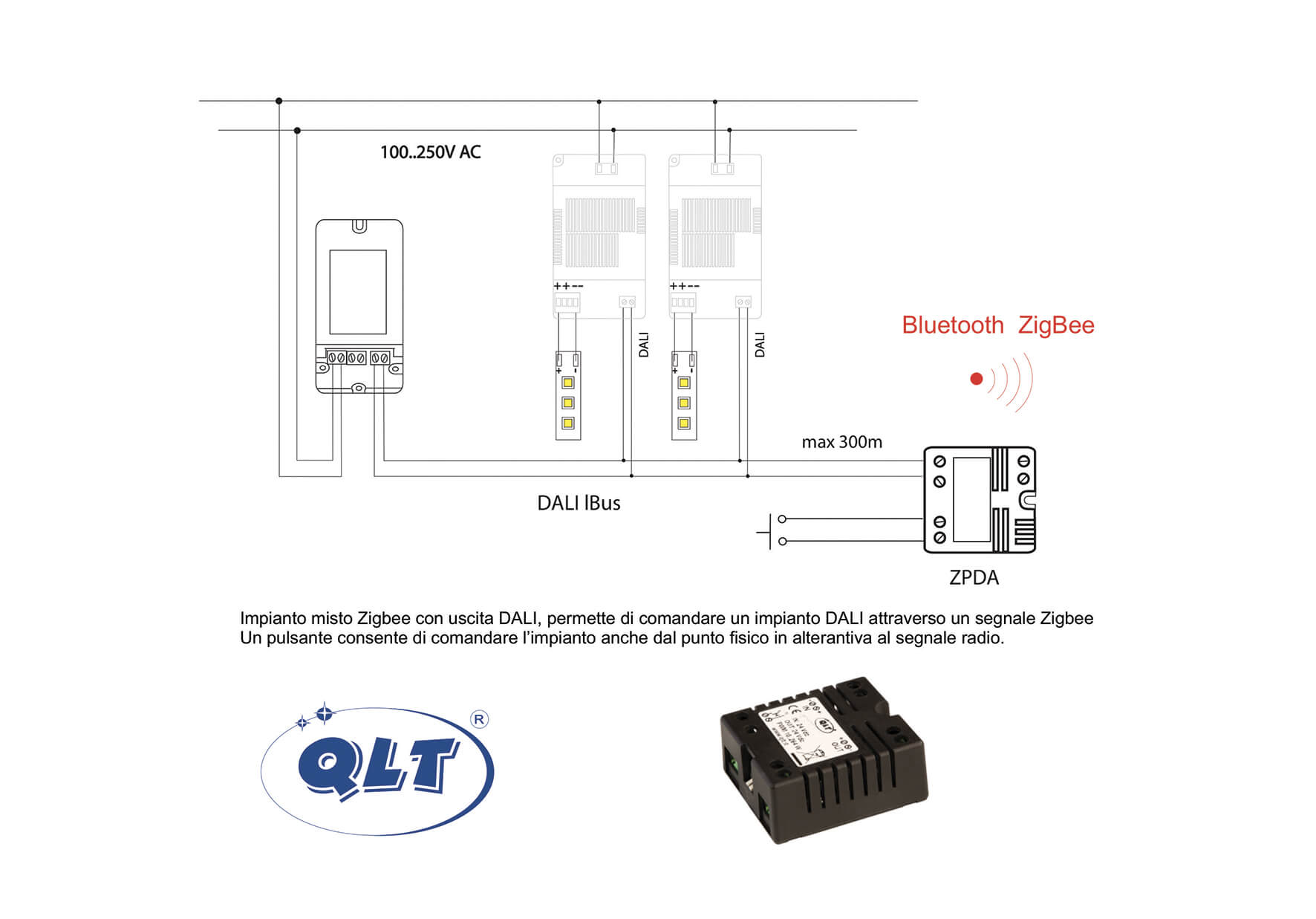
(Simplified) Examples of such systems can be seen in the attached drawing, which illustrates DALI and Zigbee systems for different applications with sensors, controls and interfaces.