In recent decades, the way we think about lighting has completely changed. Its role has shifted from a mere means of illuminating a dark space to an active component of our daily routines. Today, lighting design isn't just about vision. It also takes into account our mood, sleep, and overall well-being, ushering in a new era of human-centric lighting.
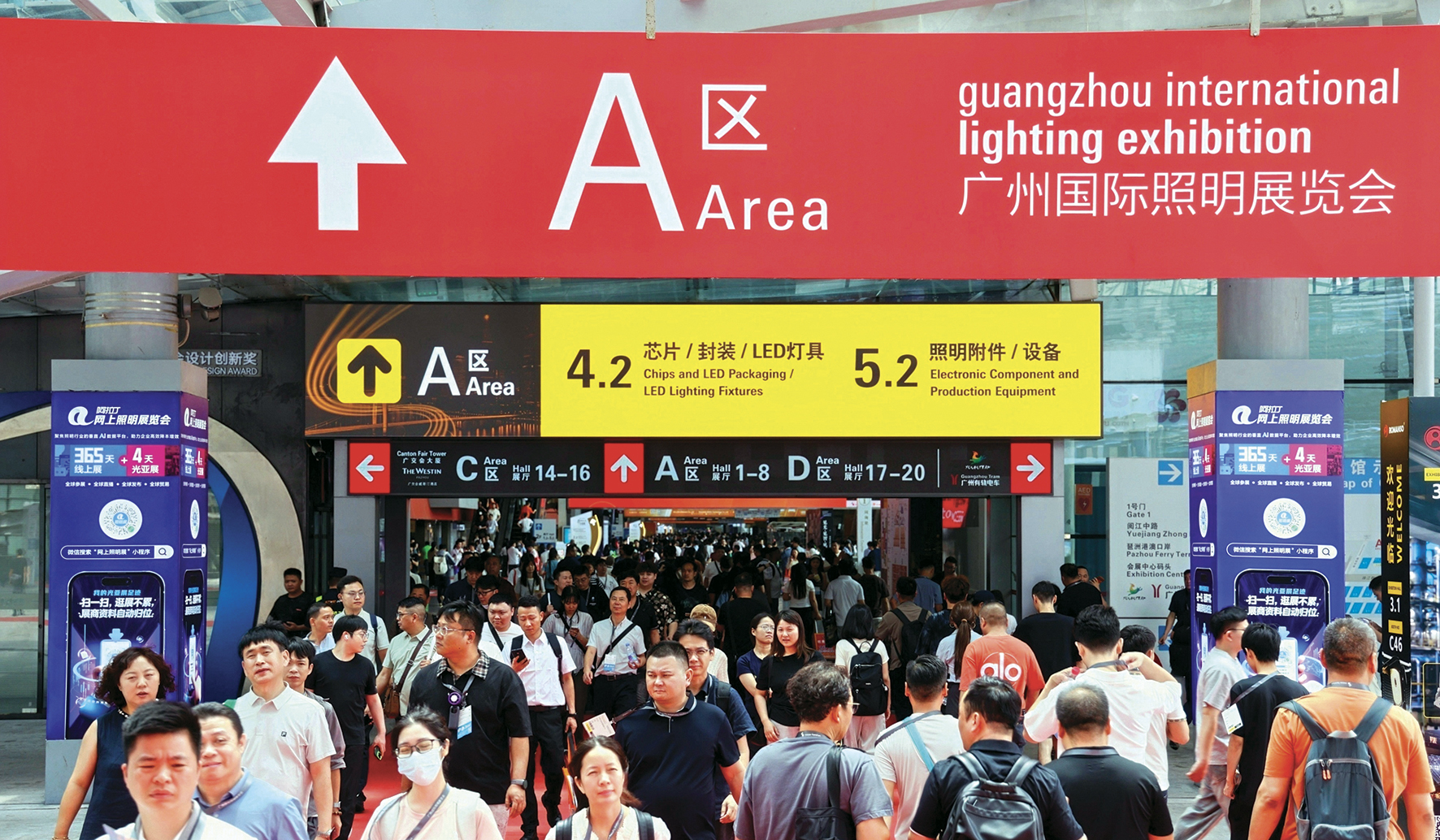
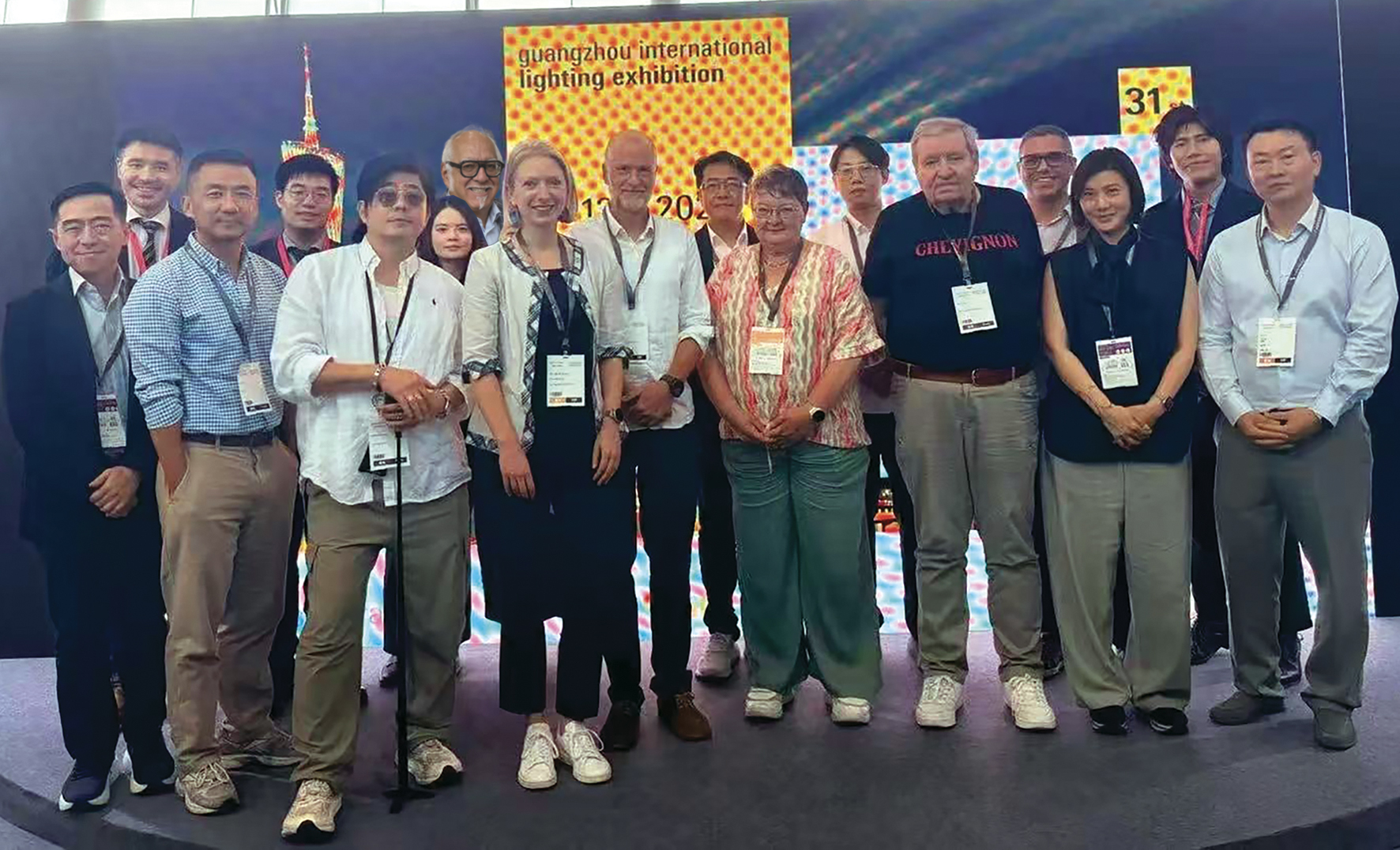
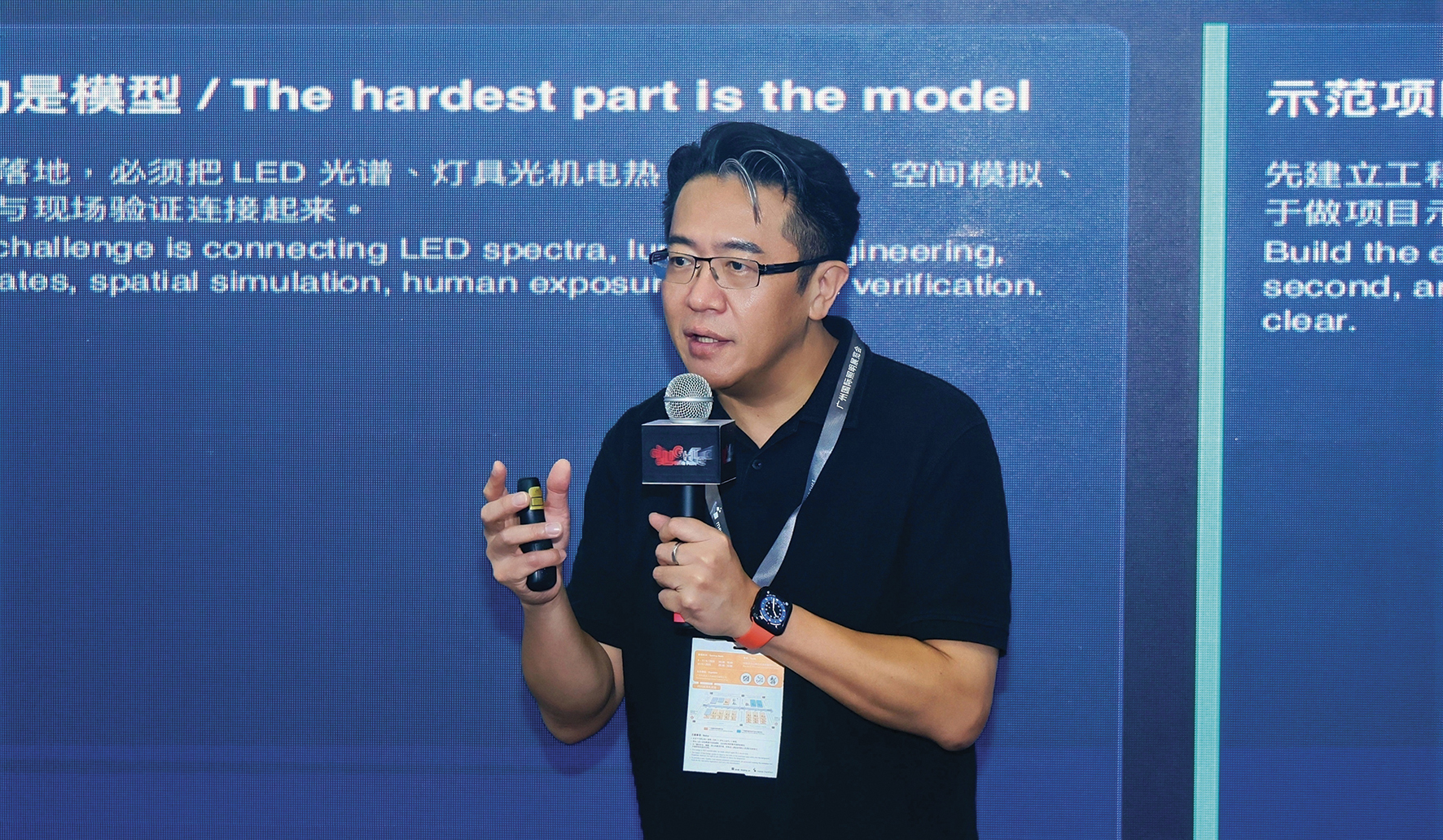
The Guangzhou International Lighting Exhibition (GILE) stays at the forefront of this shift, with the 31st edition anchoring its core theme around “Light-Enhanced Living.” This year’s show welcomed 210,128 visitors from 164 countries and regions, alongside 2,802 leading exhibitors from across the globe. The deLIGHTed Asia programme, in collaboration with Good Light Group Asia, aimed to realise the “good light” concept in a way that combines data-driven research efforts and industry standards with the infrastructures currently used in the development of lighting systems that consumers are drawn to. Jointly, the scheme’s scope includes fostering property owner relationships, public-policy expansion, and furthering the development of architecture and spatial applications. With the “Good Light Wake-Up Call” at the programme’s core, international participants gathered to explore how the industry can move beyond conventional lighting design towards better integrating human-centric standards and measurable metrics, including international frameworks such as CIE S 026, to support more measurable and evidence-informed approaches to integrative lighting. Heralding this theme, the deLIGHTed Talk Asia panel was held on 9 June 2026, gathering industry leaders, scientists, and designers from around the world to discuss the trajectory of the lighting industry in the midst of a growing health and wellness revolution.
Hosted by Lawrence Lin, Chairman of Good Light Group Asia (GLGA), Board Member of the Good Light Group, and Founder and CEO of Lighting Recipe Studio, the programme’s first segment featured Kevan Shaw, a fellow of the International Association of Lighting Designers; Rob Lucas, Professor of Neuroscience at the University of Manchester; and chronobiology researcher Marijke Gordijn. Together, the panel shared industry insights and examined the current architectural and physiological frameworks surrounding lighting design and its impacts on human health.
Mr Shaw pointed out that compared to other parts of building design, lighting is often ignored or misunderstood, resulting in fewer health standards for the industry. He suggested adding labels that go beyond basic illumination metrics, much like nutrition labels on food, as a simple yet effective way to help buyers better understand the potential biological effects of lighting products.
From a physiological perspective, studies show that rises in urbanisation lead to systematic disruptions to the human body resulting from artificial lighting overshadowing natural daylight. Humans inherently need the changing light of the sun to keep our internal clocks on track. When indoor lighting is engineered to match our natural biology, the results are clear: people sleep better and feel far more alert during the day. Dr Gordijn stressed how both consumers and manufacturers need a lot more education in this field so future smart systems can deliver the right kind of light at the right time of day. While AI continues to drive the development of several global industries, it isn't the primary force behind health lighting. Instead, innovation in this sector is heavily consumer-driven, focusing on a growing demand for personalisation. This, however, creates a new challenge. As Mr Lucas noted, if smart home systems inadvertently enable a user’s bad habits, it undermines the whole point of “health” lighting. The industry needs to work on striking a balance between giving customers more control whilst protecting their health.
Furthering these insights, SunLED CEO Anne Berends and Senior Research Scientist Oliver Stefani directed the conversation towards the practical applications of preventative health-supportive lighting. Specifically, on how near-infrared light can support better rest, circadian alignment and overall well-being. Because most modern indoor lighting systems omit these wavelengths, the industry is working towards adopting evidence-based design principles to accurately produce broader spectrums, inclusive of near-infrared wavelengths, that transform lighting from simple utility to a tool designed for long-term health and wellness. This need for healthier lighting is also shaped by regional consumer demands and distinct societal pressures. In Asia, for example, there is growing concern about children’s visual health driven by the dual pressures of spending long hours studying indoors and insufficient daylight exposure. Consequently, eye fatigue has become a major focus amongst concerned parents, with growing awareness of how disruptive artificial light correlates with a rise in myopia. In response to this market demand, several GILE exhibitors leveraged the fair to showcase scientifically backed eye-care solutions that directly address these concerns.
At the same time, these benefits extend well into healthcare environments. Dr Stefani notes that exposure to human-centric lighting can help create more restful and positive environments that people find comfort in. These trends further confirm that the market is moving away from basic illumination and toward evidence-based lighting metrics that prioritise human health.
For the lighting industry, these discussions highlight a massive market opportunity. Driven by the global wellness movement, consumers are actively investing more in products that prioritise their health. However, capturing this market requires better public education on the matter. If awareness surrounding the benefits of health light systems increases, so will the demand for these premium solutions.
The deLIGHTed Talk Asia panel made it clear that science and business can work hand-in-hand to create a healthier future. Reflecting on the exhibition's “Light-Enhanced Living” theme, Dr Berends noted how GILE stays ahead of the curve by inviting brands that do their homework in obtaining the proper certifications that validate their technology. She was particularly impressed by the scientific integrity behind many of the products on display.
Dr Gordijn further emphasised how rapidly the market is pivoting toward these health-forward designs on the show floor, crediting GILE with providing the ideal platform for this movement to gain momentum. She observed that several forward-thinking Chinese companies have already integrated the very same scientific insights discussed by the panel into their technologies and smart systems.
Following the panel’s final Q&A sessions, Lin encouraged the audience to explore the technology on display across the show floor. By putting science at the centre of the conversation, GILE and Good Light Group Asia demonstrated how international research, design expertise and industry collaboration can unite to advance more evidence-based approaches to health lighting and set a new standard for the global lighting community.