Light, Well-being and Quality of Life: The Benefits of Smart Lighting
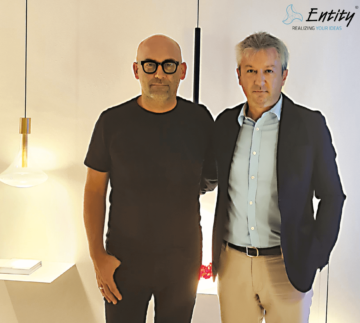
We met Carlo Comandini, President of ASSIL, the ‘Associazione Nazionale Produttori di Illuminazione (National Association of Lighting Manufacturers), to talk about an increasingly interesting topic: the evolution of the sector, particularly Smart Lighting, as a tangible strategy for efficiency and comfort in modern buildings.
Smart lighting is no longer just a trend, but a key element. According to ASSIL, what is the strategic role of Smart Lighting within the dual transition, energy and digital?
Smart Lighting is an essential element for the “twin transition” of the building stock in Italy and Europe. It’s not just an accessory; it’s a component that, when integrated with intelligent systems, directly contributes to home and building automation and, consequently, to energy savings in buildings and urban areas.
Are there any data that quantify the importance of this sector at an institutional level?
Certainly. The scenario envisaged by the PNIEC (National Integrated Energy and Climate Plan) to achieve EU objectives estimates a good 5 billion euros of investments in the internal and public lighting sectors by 2030. This demonstrates the growing institutional commitment and recognises that our entire sector is more dynamic than the average electrical engineering sector.
Speaking of efficiency: how quantifiable is the economic benefit that Smart Lighting solutions offer to businesses and citizens, especially in the current context of high energy costs?
The benefits are rapid and significant. A recent study commissioned by the Politecnico di Milano on the “Analysis of the market potential of smart lighting solutions in Italy” demonstrates this with concrete data.
Beyond cost savings, what other benefits does quality lighting provide, especially in sensitive environments such as offices, schools or hospitals?
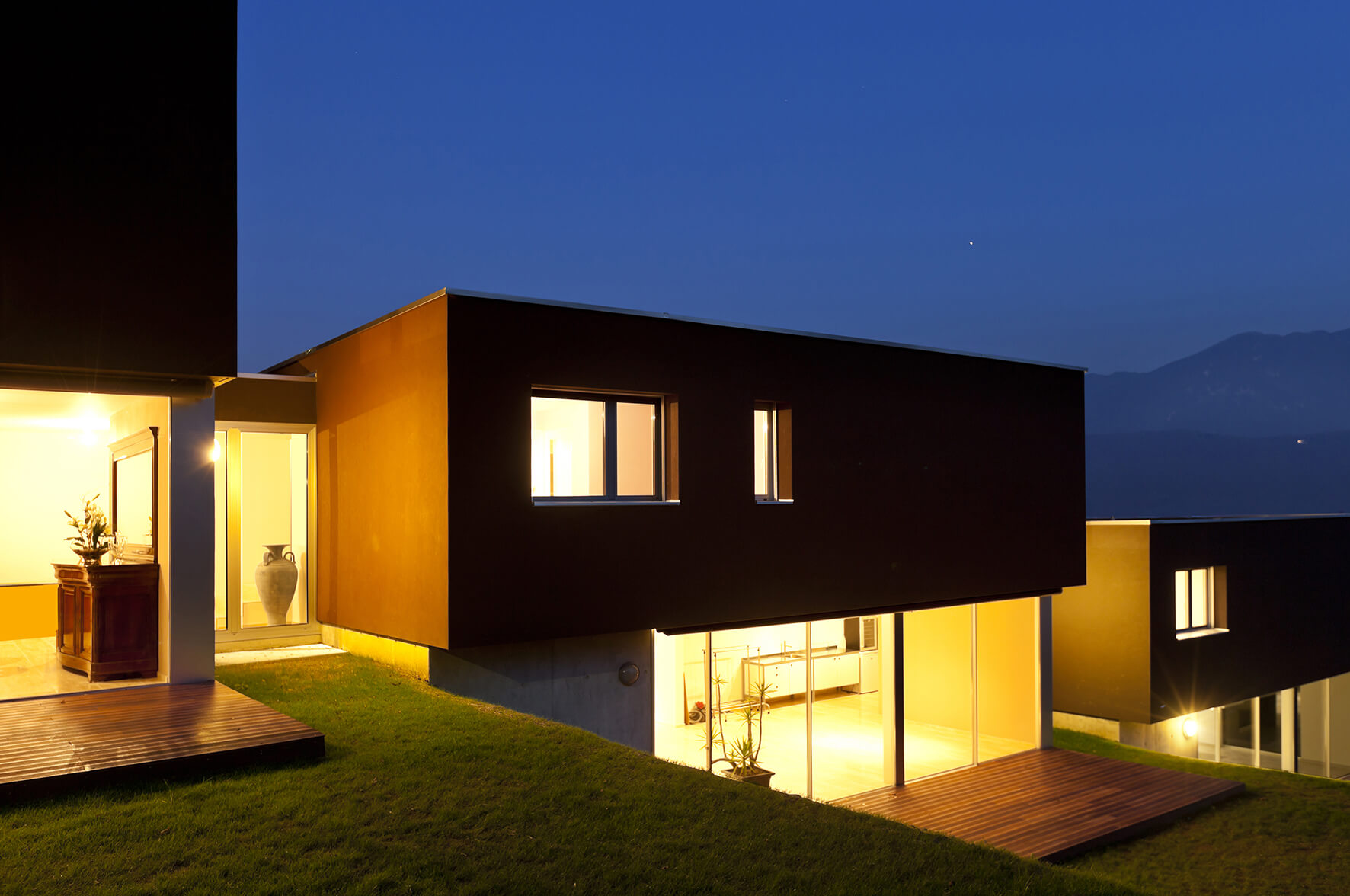
Quality lighting is a fundamental asset not only for efficiency, but also for improving well-being and visual comfort in every application. Light is no longer evaluated solely for its energy savings, but also for its impact on people’s quality of life. For ASSIL, ensuring adequate levels of visual comfort must be a primary objective right from the building design stage. Advanced systems ensure well-being and quality lighting.
In conclusion, how does ASSIL’s institutional commitment translate into concrete support for the market and the promotion of this “culture of light”?
Our commitment has always focused on several aspects. A key element is the agreement with the GSE (Energy Services Manager), which supports the decarbonization of the supply chain and the promotion of the best technologies in line with the objectives of Transition 5.0. Furthermore, we actively promote a true culture of light by participating in events such as SMART BUILDING EXPO and collaborating with the Ministry to update the Minimum Environmental Criteria (CAM), to enhance our sector’s contribution to the renovation of real estate assets.